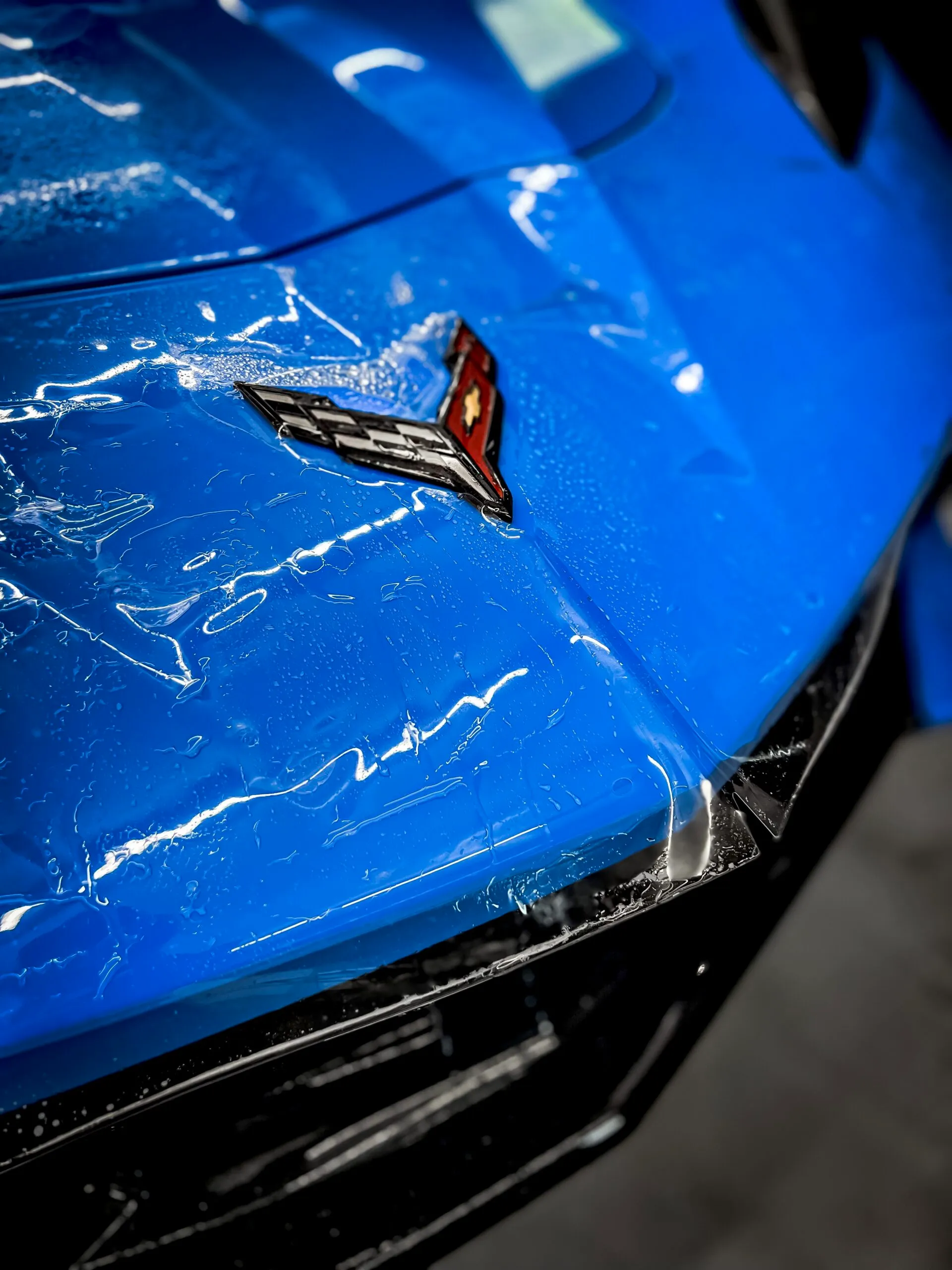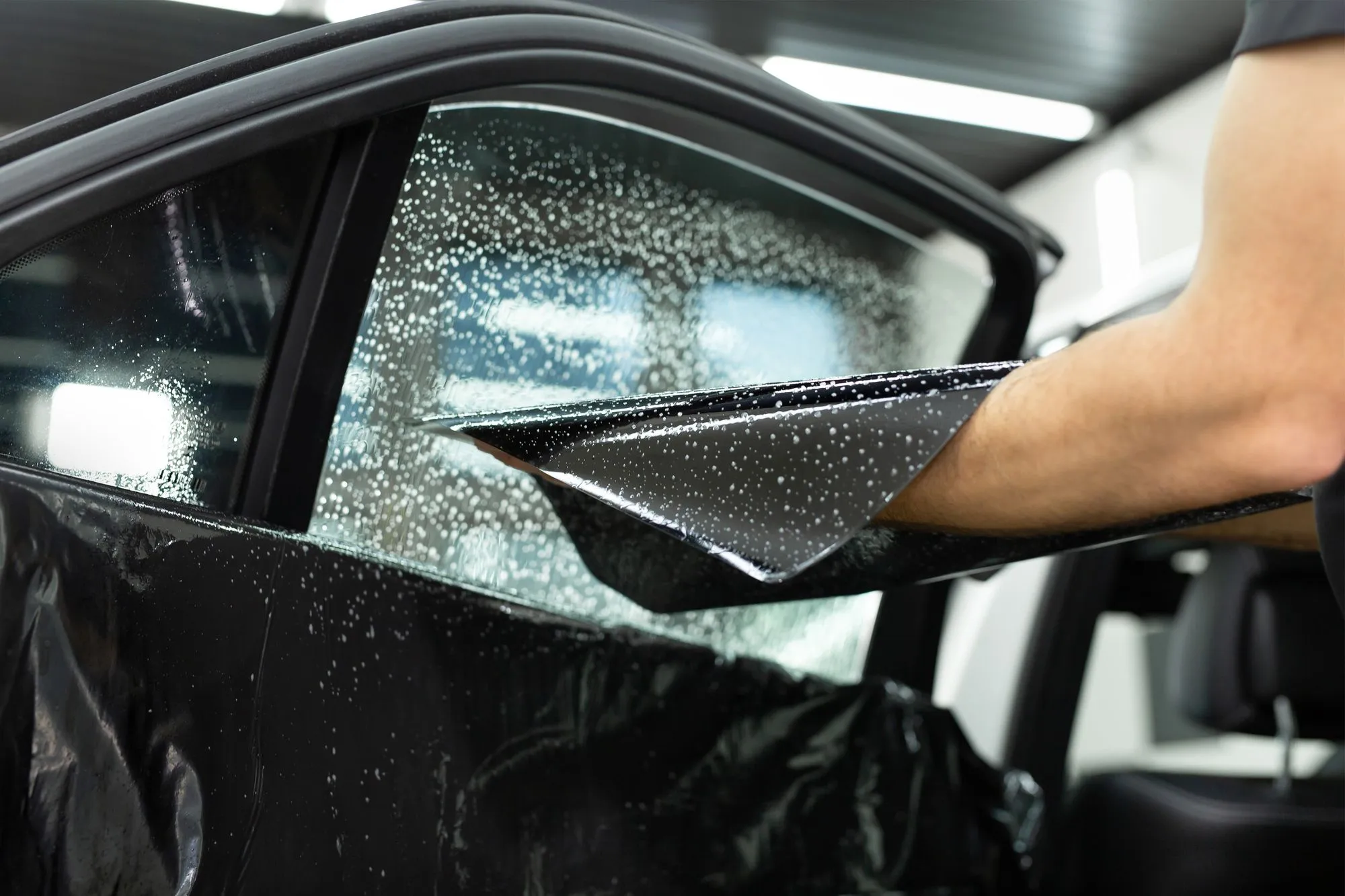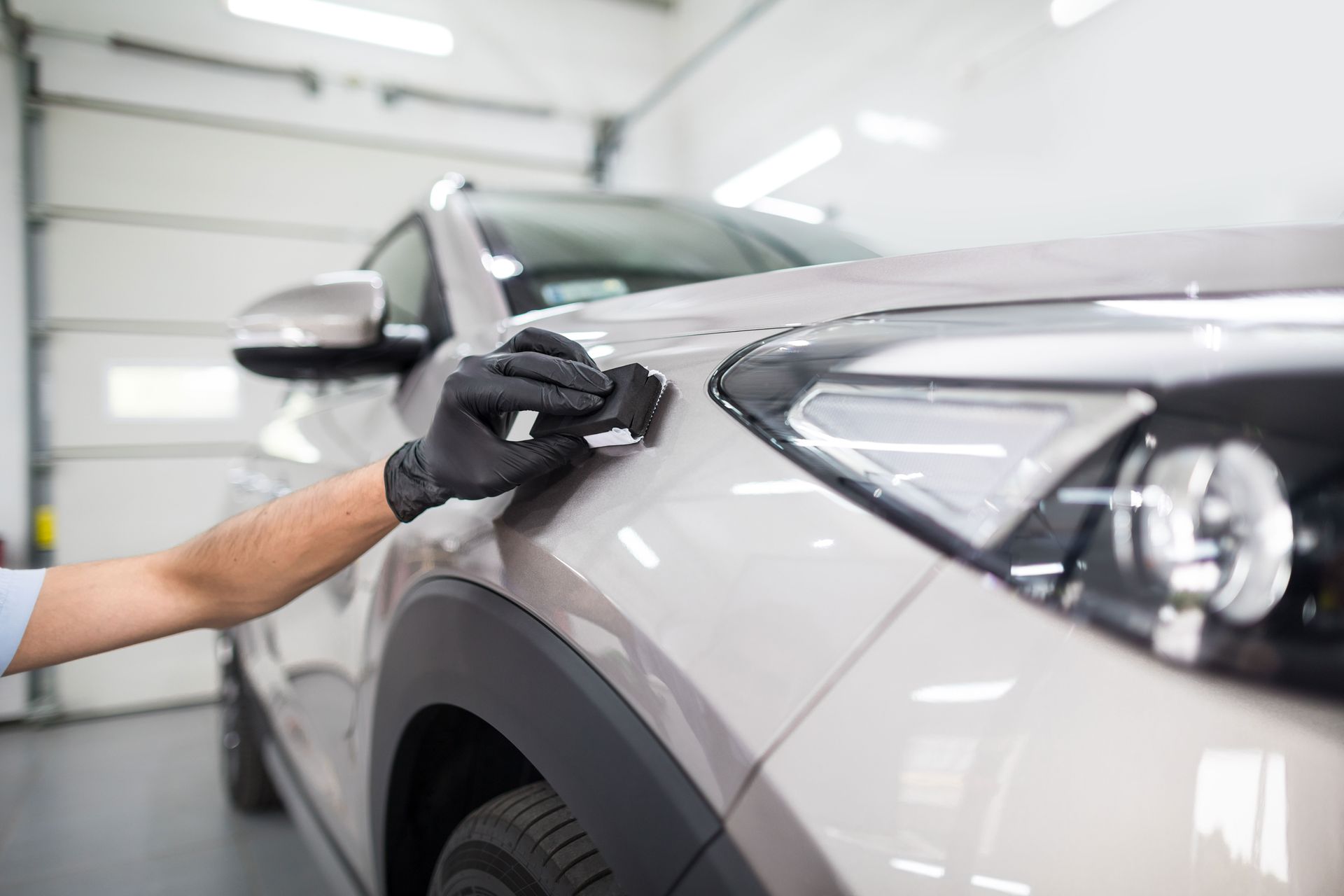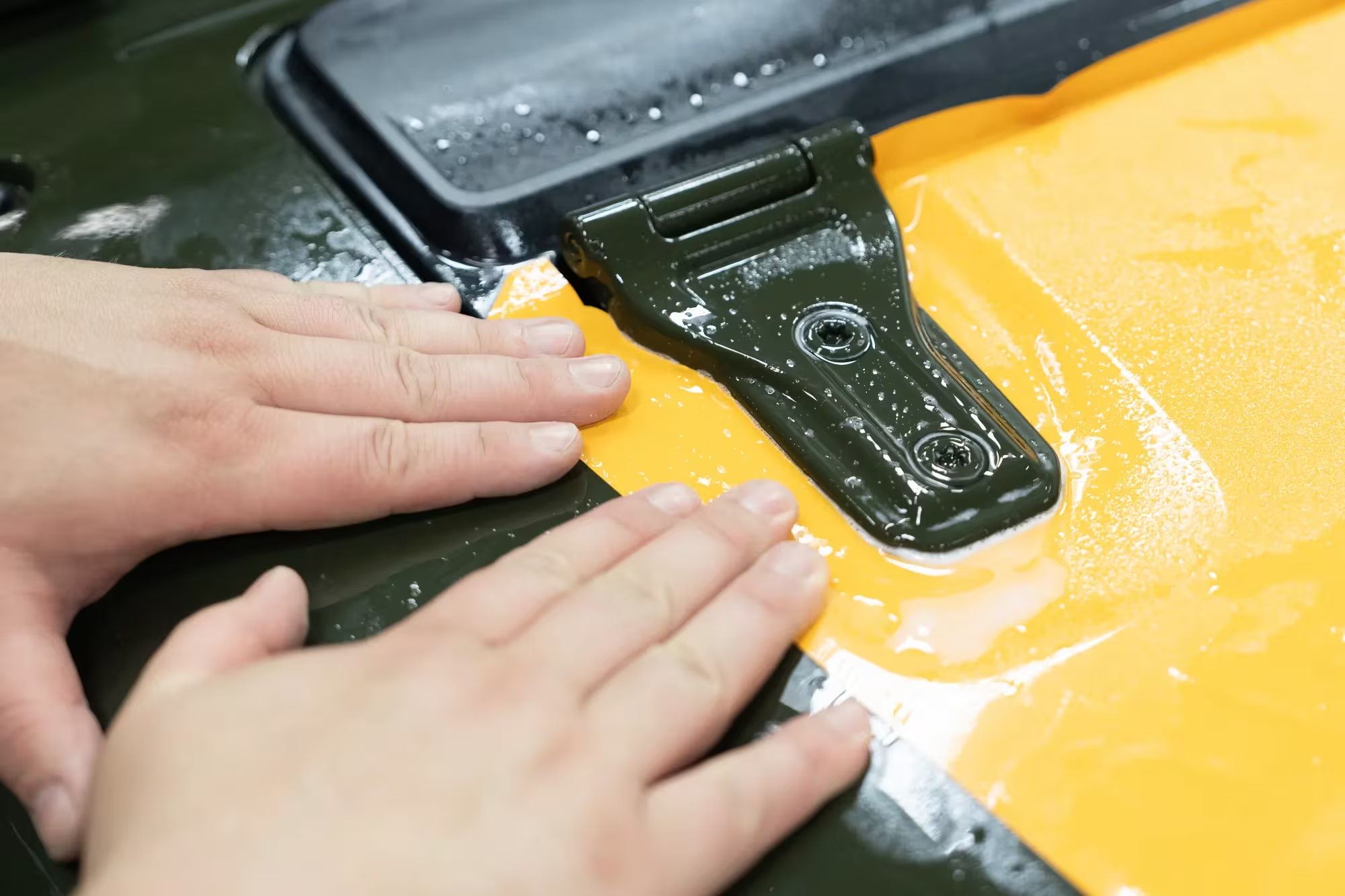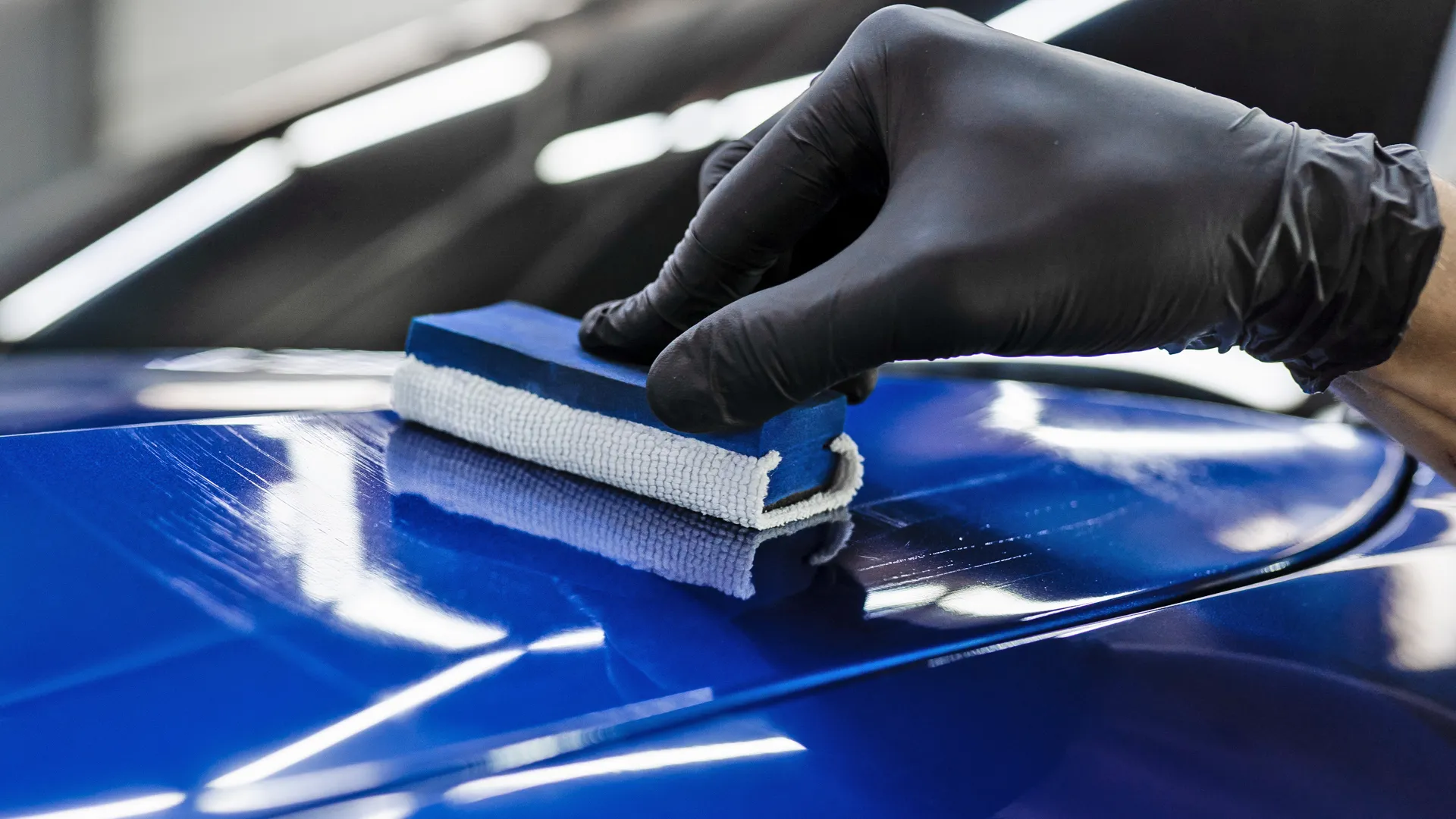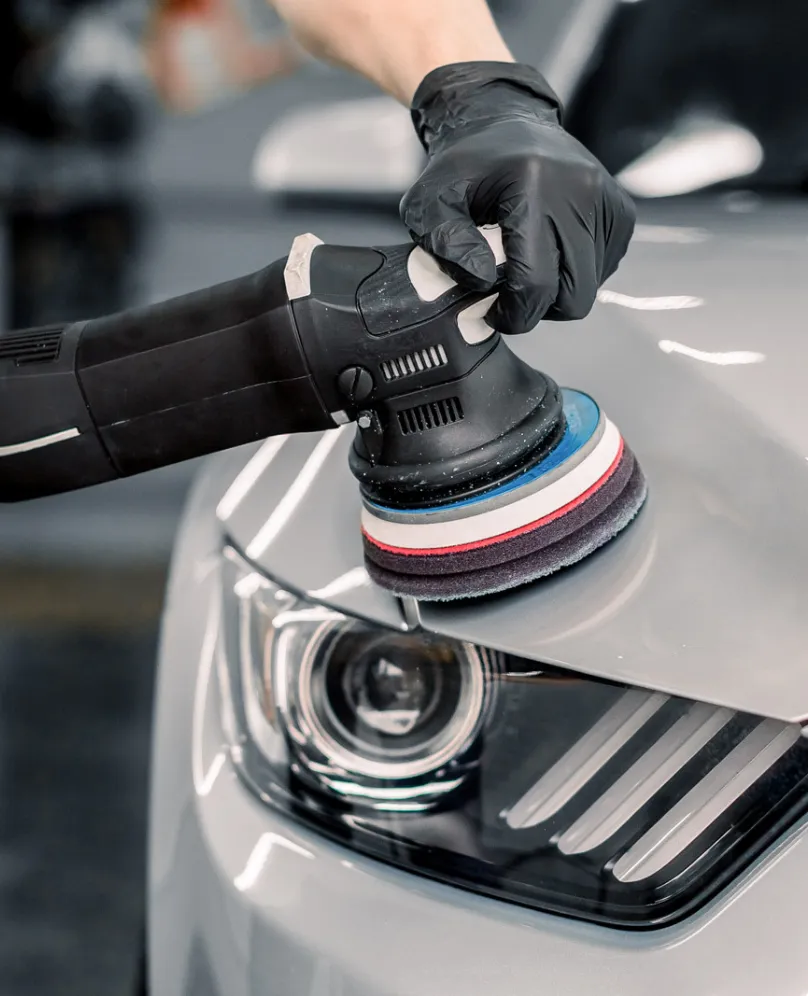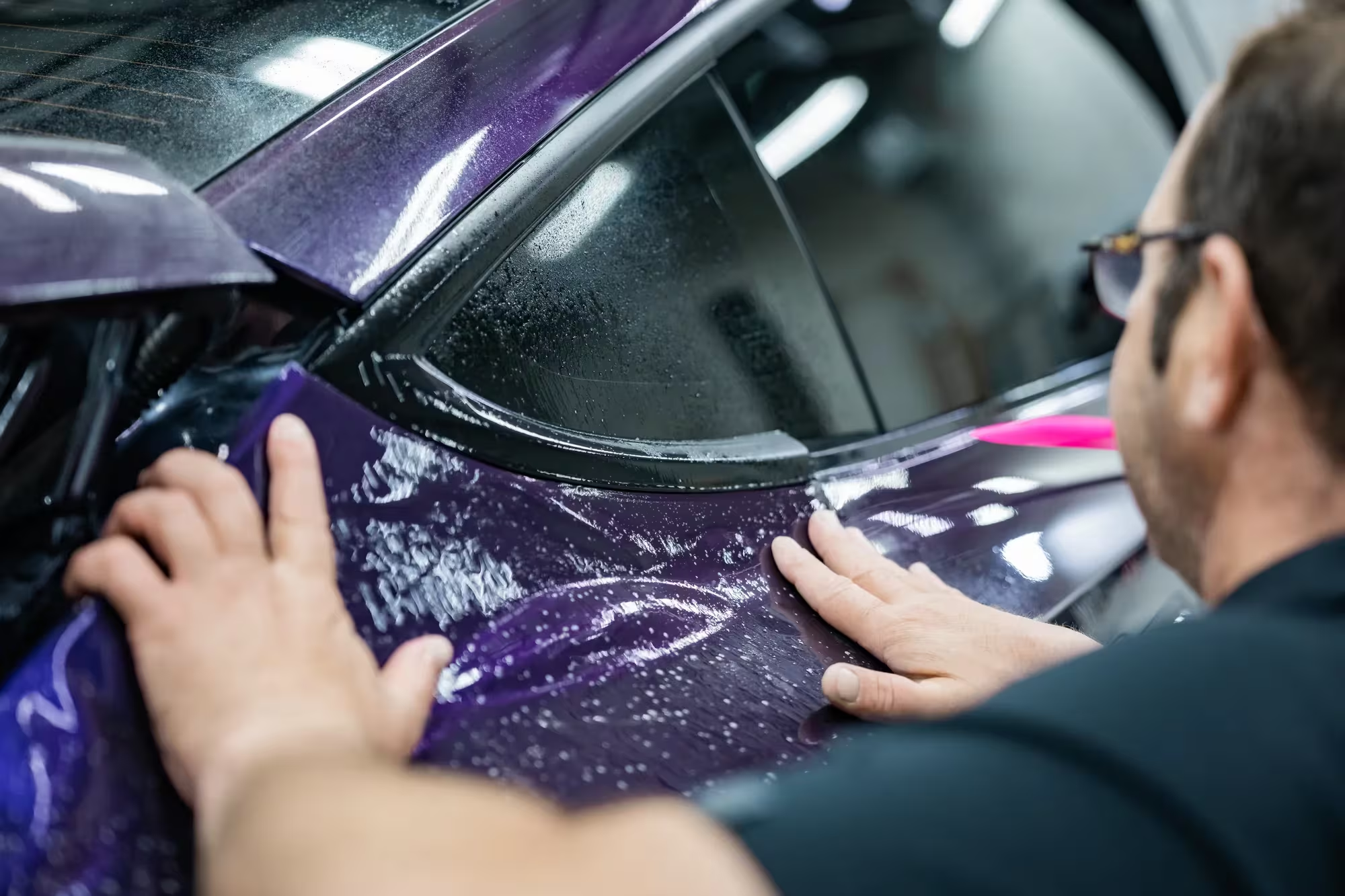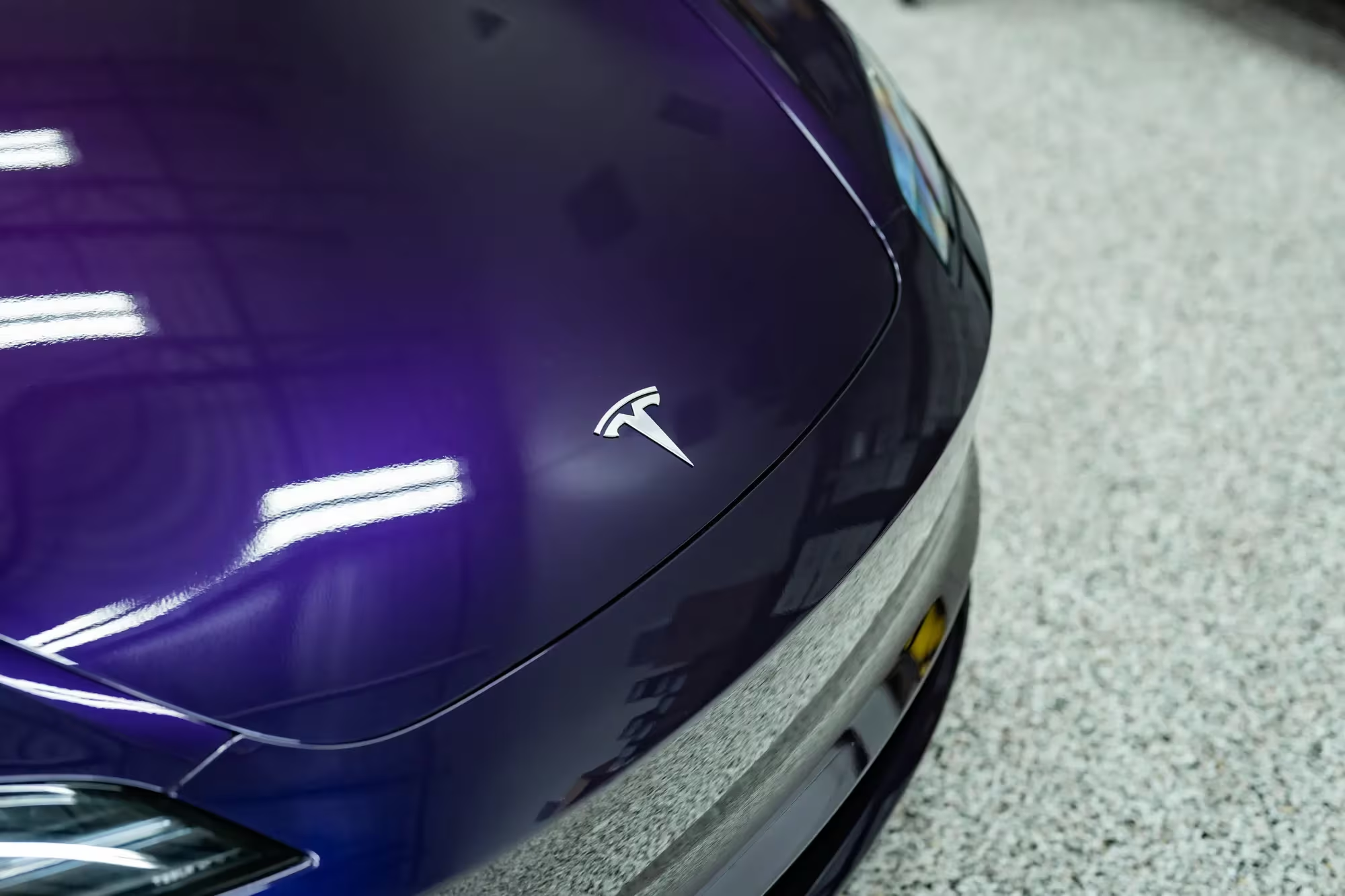

Marine Ceramic Coating in Virginia gives boat owners another way to protect gelcoat, painted hull surfaces, glass, and other compatible areas from the conditions that come with life on the water. Sunlight, water, grime, staining, and repeated washing can take a toll on a boat’s appearance. For owners in Mechanicsville, VA & Richmond, VA, a professionally applied marine ceramic coating can help create a slick, water-repelling surface that is easier to care for throughout the boating season.
At Wooddy’s Detailing, we use XPEL FUSION PLUS Marine Ceramic Coating for boat owners who want long-lasting surface protection and a glossy finish. Wooddy’s Detailing is an XPEL-certified shop and XPEL vendor located at 8492 Meadowbridge Rd in Mechanicsville. We have served vehicle and boat owners since 2010.
Marine ceramic coating is not a substitute for every type of boat protection. It will not stop hard impacts or deep scratches the way a physical protection film can help with certain types of contact. Its job is different. Ceramic coating forms a thin protective layer over compatible surfaces and helps repel water, grime, and other contamination while helping defend surfaces from UV exposure.
If your boat has gelcoat, painted surfaces, glass, trim, or other areas that are difficult to keep clean, here is what you should know before scheduling marine ceramic coating.
Marine ceramic coating is a liquid coating applied to compatible boat surfaces and allowed to cure into a thin protective layer.
XPEL designed FUSION PLUS Marine for marine conditions. According to the manufacturer, the coating is made to help protect against water, grime, UV rays, saltwater, friction, heat, and solvents that marine surfaces may face.
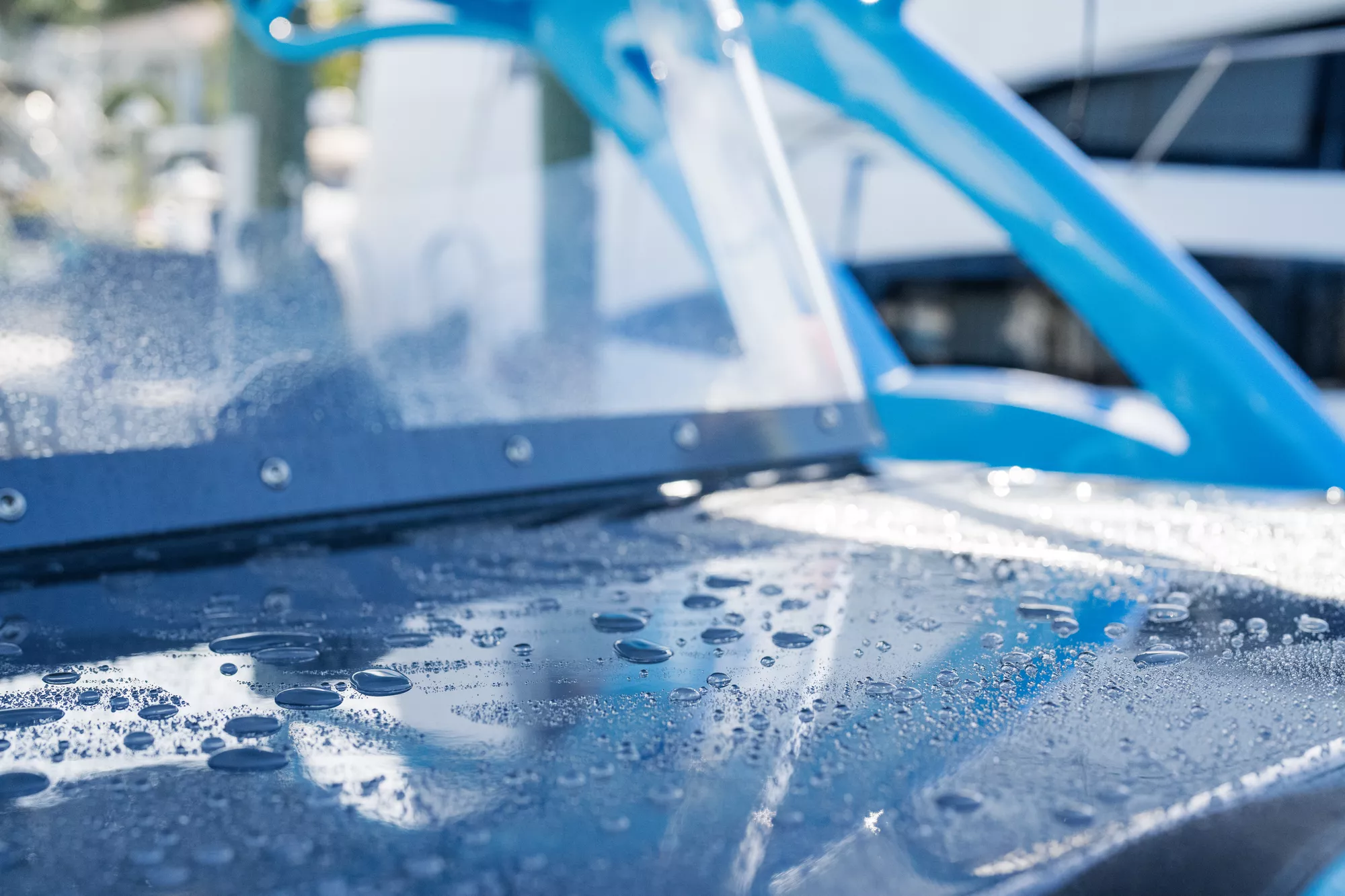
The coating also creates hydrophobic behavior. Water tends to bead and move across a treated surface rather than spreading across it as easily.
That does not mean the boat becomes maintenance-free.
You still need to rinse and clean a coated boat. The benefit is that contaminants may have a harder time sticking tightly to the treated surface, which can make routine cleaning less demanding.
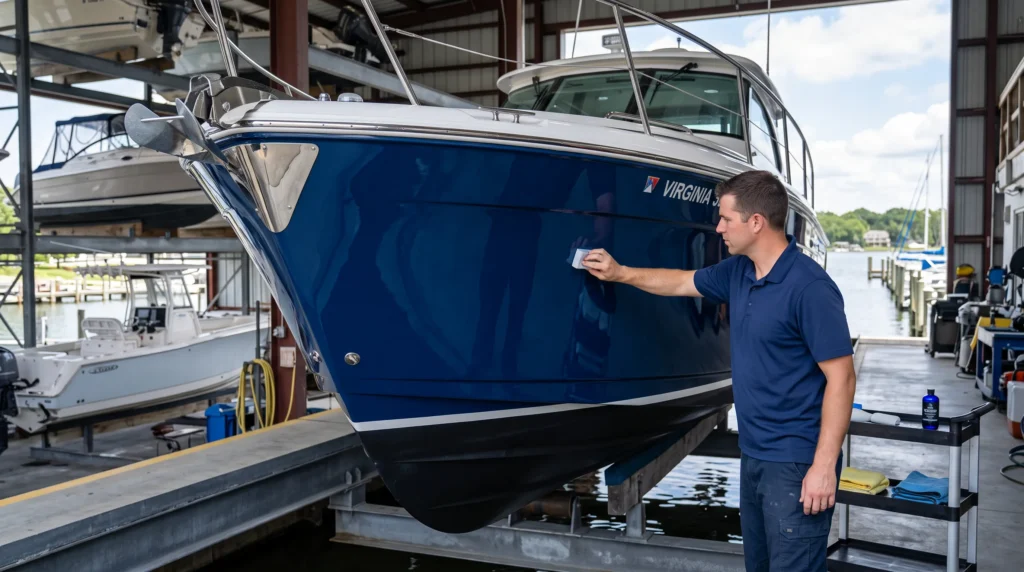
Boat owners can learn more about our Marine Ceramic Coating service before scheduling an appointment.
Gelcoat gives many fiberglass boats their smooth, glossy exterior finish. It looks good when cared for, but repeated sun exposure, water contact, staining, and environmental contamination can change its appearance over time.
XPEL notes that UV rays can affect gelcoat, fiberglass, painted marine surfaces, and other materials. Its marine product information also identifies oxidation, fading, water, grime, and salt exposure as concerns for boat surfaces.
The hull receives some of the heaviest exposure on a vessel.
Depending on the boat and how it is stored, the hull may encounter:
Marine Ceramic Coating in Virginia gives owners in Mechanicsville, VA & Richmond, VA a way to add a sacrificial protective layer over compatible finished surfaces.
XPEL describes FUSION PLUS Marine Ceramic Coating as a protective barrier made for the conditions marine surfaces face.
Its technical data sheet lists a coating thickness of approximately 12 to 17 micrometers, or 0.5 to 0.7 mil.
That thin layer does not function like thick polyurethane film. Instead, it bonds to the prepared surface and creates a slick protective finish.
XPEL also lists a 9H pencil hardness rating for FUSION PLUS Marine in its technical data sheet.
A 9H pencil hardness rating should not be confused with scratch-proofing. Ceramic coating can help resist some minor surface wear, but hard objects, dock contact, anchors, equipment, and debris can still scratch a coated surface.
This distinction matters when choosing between Marine Ceramic Coating and Marine Paint Protection Film.
Boat owners usually look into Marine Ceramic Coating in Virginia for a combination of appearance, cleaning, and surface protection.
XPEL FUSION PLUS Marine has hydrophobic properties.
That means water tends to form beads on coated surfaces. This behavior can help reduce how much water spreads and lingers across the treated finish.
It also creates the slick feel many owners associate with ceramic coating.
A slick coated surface can make grime less likely to cling as firmly to the finish.
You still need to wash the vessel, especially after use in dirty or salty water. The difference is that routine contamination can often be easier to rinse and clean from a properly coated surface.
XPEL states that FUSION PLUS Marine helps protect surfaces against UV rays.
Boats spend long periods in direct sunlight, whether they are in the water, sitting at a marina, or parked on a trailer.
Reducing the effects of that exposure is one reason boat owners coat gelcoat and painted areas.
Marine ceramic coating can produce a slick, glossy appearance on properly prepared surfaces.
Preparation matters here.
A ceramic coating will not erase existing oxidation, staining, scratches, or faded areas. If those defects remain underneath the coating, they can still be visible after the coating cures.
XPEL says FUSION PLUS Marine is designed for exposure to saltwater, water, grime, UV rays, heat, friction, solvents, and other conditions associated with marine use.
For owners in Mechanicsville, VA & Richmond, VA who trailer boats, visit lakes, or keep vessels near the water for extended periods, that extra barrier can be useful.
Gelcoat is one of the most common surfaces boat owners ask about.
Yes, ceramic coating can be applied to compatible gelcoat when the surface is properly prepared.
Here is what matters.
Ceramic coating performs best when the gelcoat beneath it is already clean and in good condition.
If the surface has oxidation, chalkiness, staining, swirls, or other visible defects, prep work may be needed before coating.
The coating does not hide damaged gelcoat.
Think of it as protection for the finish that is already there. The better the gelcoat looks before coating, the better the finished result is likely to look.
For an older boat, the process may include cleaning, decontamination, polishing, or other correction work before the coating is installed.
That is one reason an in-person inspection is useful.
A boat hull is constantly exposed to things that can affect its finish.
Some owners trailer their boats after every trip. Others keep vessels in slips or storage facilities. Each situation creates a different mix of water exposure, road contamination, insects, sun, and cleaning.
FUSION PLUS Marine can be applied to compatible hull surfaces to create hydrophobic behavior and help protect against grime and UV exposure.
XPEL states that its marine coating is suitable for hull surfaces and areas above the waterline.
For parts of a hull that regularly see direct impact or abrasion, a coating may not be the only product worth considering.
XPEL Marine Protection Film provides a thicker polyurethane layer that can help protect selected surfaces from abrasion and scratches.
For some boats, owners may choose coating on broad areas and protection film on spots that receive more physical contact.
UV exposure is one of the main concerns with boats stored outside.
Sunlight can affect the appearance of gelcoat, painted surfaces, vinyl, plastics, and other materials over time.
XPEL states that FUSION PLUS Marine provides UV protection for coated marine surfaces. XPEL also points to UV exposure as a cause of fading and oxidation on gelcoat and fiberglass.
A ceramic coating does not mean you can ignore all other care.
Covered storage, proper washing, routine inspection, and good maintenance habits still matter.
What the coating gives you is another protective layer between the finished surface and the environment.
Oxidation can make marine gelcoat look faded, cloudy, or chalky.
Sun exposure is one contributor to this type of deterioration.
XPEL says FUSION PLUS Marine helps defend against oxidation and fading by adding protection against UV rays and marine exposure.
The timing of coating matters.
If a boat already has visible oxidation, applying ceramic coating directly over it will not reverse that damage.
The surface normally needs to be cleaned and corrected first.
Once the finish has been brought to the desired condition, ceramic coating can be applied to help protect that work.
Next steps depend on the condition of the boat.
A newer boat may need less correction before coating. An older vessel that has spent years outside may need more surface preparation.
Hydrophobic behavior is one of the most visible characteristics of ceramic coating.
When water hits a properly coated surface, it tends to bead.
Boat owners often notice this during rinsing or after rain.
The coating’s slickness can also help grime release more easily during washing.
XPEL markets FUSION PLUS Marine as a hydrophobic coating made for both interior and exterior marine applications.
The benefit is not limited to looks.
When water and contamination have less ability to sit tightly against the surface, routine cleanup can become easier.
You still need to wash the boat correctly. Leaving dirty water to dry repeatedly can still create deposits.
XPEL states that its marine ceramic coating can help limit water spots.
The word “limit” matters.
No ceramic coating can promise that a boat will never develop water spots.
Minerals can remain behind when water dries. The amount of spotting can depend on the water source, mineral content, weather, temperature, how quickly the boat dries, and how regularly the surface is cleaned.
A hydrophobic coating can help water move from the surface more readily, but owners should still dry or rinse the vessel when conditions make spotting likely.
If mineral deposits are allowed to remain for long periods, they can become harder to remove.
Surface preparation has a major effect on the final result.
Before Marine Ceramic Coating in Virginia is applied, the boat should be inspected for:
The coating should bond to a properly prepared surface rather than dirt, old wax, or residue.
Older gelcoat may need polishing before coating.
Painted areas may also benefit from correction if scratches or swirl marks are visible.
Here is why. Ceramic coating can preserve the appearance underneath it, but it does not act like paint or filler.
If you want the hull to look cleaner and glossier after coating, the condition before installation matters.
Ceramic coating and marine protection film do different jobs.
Marine Ceramic Coating is a thin protective layer that provides hydrophobic behavior and helps defend against UV exposure, grime, staining, water, and marine conditions.
It is often chosen for easier washing, gloss, and broad surface coverage.
Marine Paint Protection Film is a thicker physical film.
XPEL says its marine protection film is designed to help protect areas such as hulls, bows, gunnels, engine cowlings, decks, table tops, and other compatible surfaces from abrasion, scratches, UV exposure, and environmental contamination.
For areas that regularly see rubbing, contact, gear, or docking hazards, film may make more sense than ceramic coating alone.
XPEL states that FUSION PLUS Marine Ceramic Coating can also be applied over XPEL Marine Protection Film.
That gives boat owners a way to combine the physical barrier of film with the hydrophobic behavior of ceramic coating.
The right setup depends on the vessel and how you use it.
XPEL describes FUSION PLUS Marine as suitable for a wide range of marine surfaces.
Depending on compatibility and condition, applications may include:
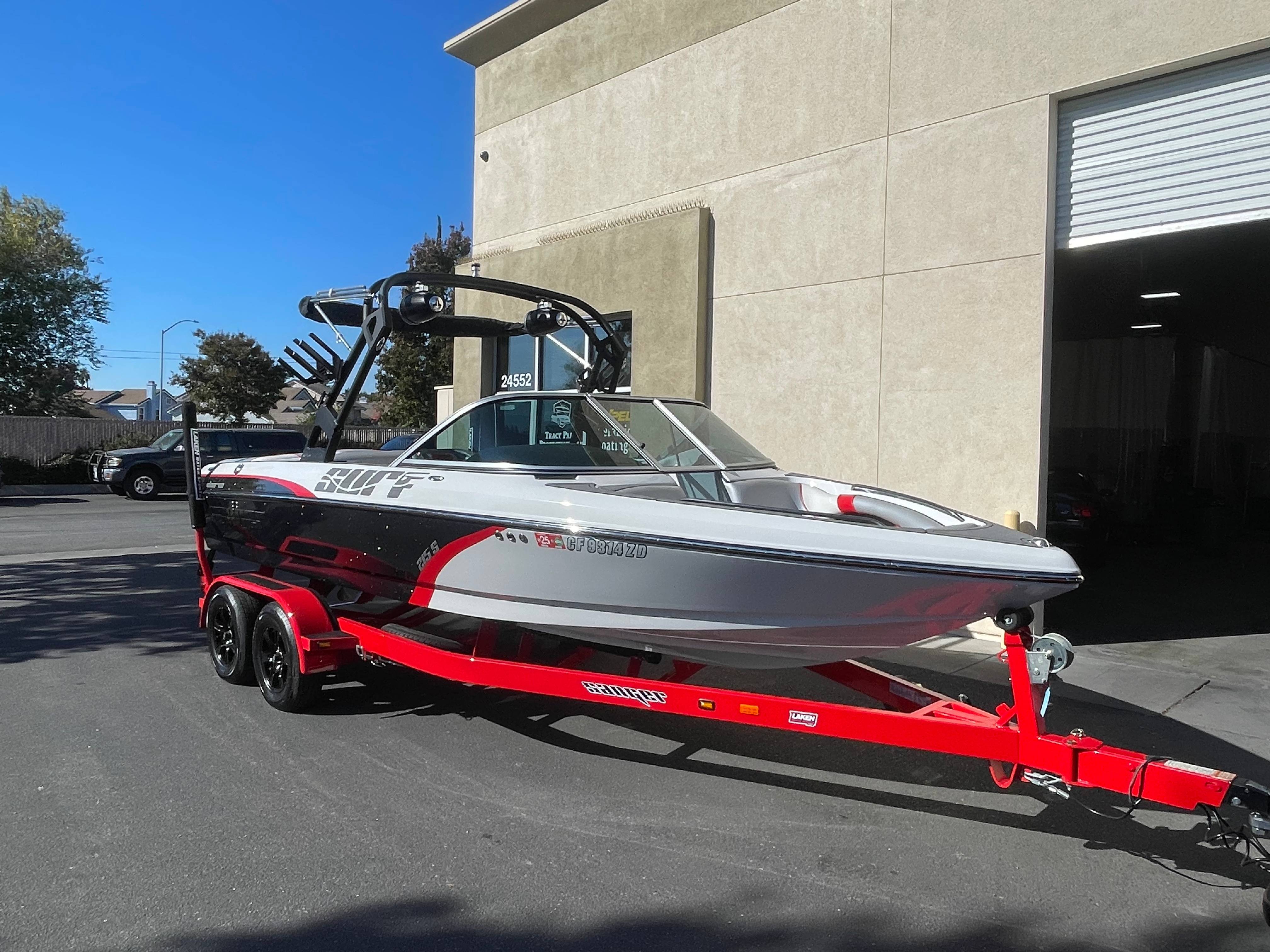
XPEL has shown FUSION PLUS Marine applied to large performance boats, including paintwork, outboard engines, trim, and glass.
Not every boat material should be treated the same way.
Before installation, the surface type should be identified and checked for compatibility.
Marine ceramic coating can make cleaning easier, but care still matters.
Wash the boat regularly rather than allowing grime to build up.
After use, especially in saltwater or dirty water, rinse exposed surfaces.
Use wash products that are suitable for coated finishes.
Avoid harsh scrubbing unless the surface condition calls for it.
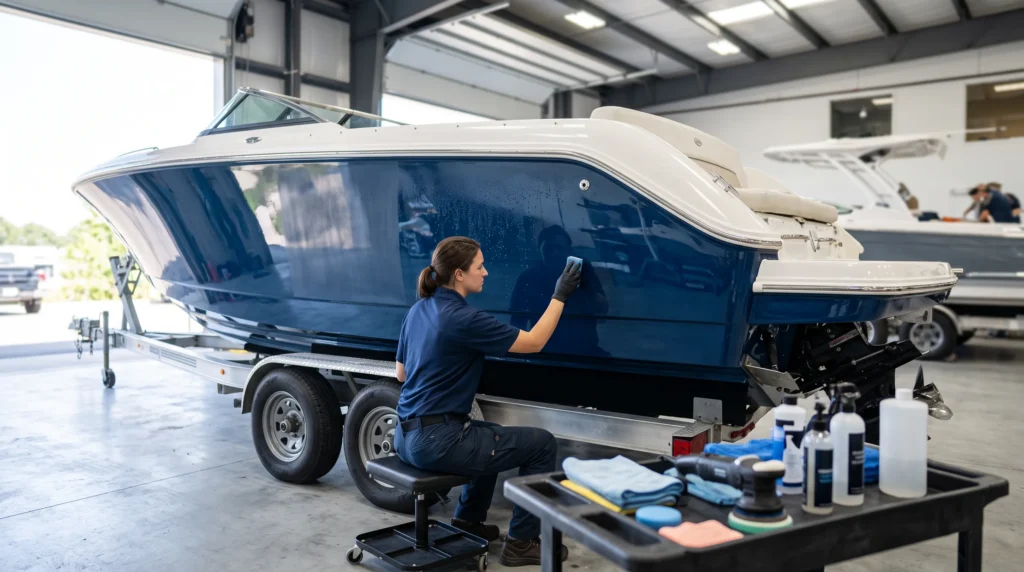
Dry the boat when practical so mineral-heavy water does not sit and evaporate repeatedly.
Inspect coated areas from time to time for contamination that may need deeper cleaning.
Bottom line, the coating helps make maintenance more manageable. It does not replace maintenance altogether.
Boat owners in Mechanicsville, VA & Richmond, VA have different needs depending on where their vessels are used, how they are stored, and the condition of the gelcoat or paint.
A trailer-kept fishing boat may see road grime, insects, and frequent washing.
A cabin cruiser may spend more time in direct sunlight.
A performance boat may have painted surfaces where gloss is a major concern.
Marine Ceramic Coating in Virginia can be planned around those differences.
At Wooddy’s Detailing, we use XPEL FUSION PLUS Marine Ceramic Coating and can inspect your boat before recommending the right preparation and coating plan.
Wooddy’s Detailing is located at:
Wooddy’s Detailing
8492 Meadowbridge Rd
Mechanicsville, VA 23116
Phone: (804) 914-9274
Business Hours:
Monday through Friday: 8:30 AM to 6:30 PM
Saturday: 9:00 AM to 5:00 PM
You can also review our full range of Marine Services, including Marine Window Tint and Marine Paint Protection Film.
If you want to protect gelcoat, hull surfaces, glass, or other compatible areas on your boat, call (804) 914-9274 or visit the Wooddy’s Detailing contact page to schedule an appointment.
Yes. XPEL FUSION PLUS Marine Ceramic Coating can be used on compatible fiberglass and gelcoat surfaces. The condition of the gelcoat should be checked before coating. Oxidation, staining, or surface defects may need to be corrected first.
Ceramic coating can help protect against UV exposure and environmental conditions associated with oxidation, but it cannot repair oxidation that already exists. Existing oxidation should be addressed during surface preparation before coating.
Yes. XPEL describes FUSION PLUS Marine as suitable for hull surfaces and other marine areas. Surface material, condition, and where the coating will be applied should be reviewed before installation.
Its hydrophobic surface can help water and grime release more easily during routine washing. The boat still requires rinsing and cleaning, especially after exposure to salt, dirty water, road grime, or other contamination.
Ceramic coating is not scratch-proof. It provides a thin protective surface layer, but hard impacts and abrasion can still damage the finish. For areas with higher physical contact, Marine Paint Protection Film may be worth considering.
XPEL states that marine ceramic coatings can last for several years, depending on use, maintenance, environmental exposure, and other conditions. Actual service life can vary from one boat to another.
Wooddy’s Detailing provides XPEL marine ceramic coating services from 8492 Meadowbridge Rd in Mechanicsville. Call (804) 914-9274 or use our contact page to discuss your boat and schedule an appointment.
Contact Wooddy’s Detailing when you are ready to protect, improve, or restyle your vehicle with help from a trusted local shop. We proudly serve customers in Mechanicsville, VA and Richmond, VA with services that include paint protection film, color PPF, ceramic coating, window tint, vinyl wrap, paint correction, chrome delete, and auto detailing. Whether you have a daily driver, luxury vehicle, Tesla, Cybertruck, fleet vehicle, or boat, our team is here to help you choose the right service for your goals. Customers often contact us when they want better protection, easier upkeep, more privacy, or a cleaner finished look. We make it easy to reach out, ask questions, and move forward with the service that fits your needs. Since 2010, Wooddy’s Detailing has focused on giving local customers a clear process and dependable service. When you are ready to get started, our team is ready to help.
Explore the many services we offer by clicking the boxes below