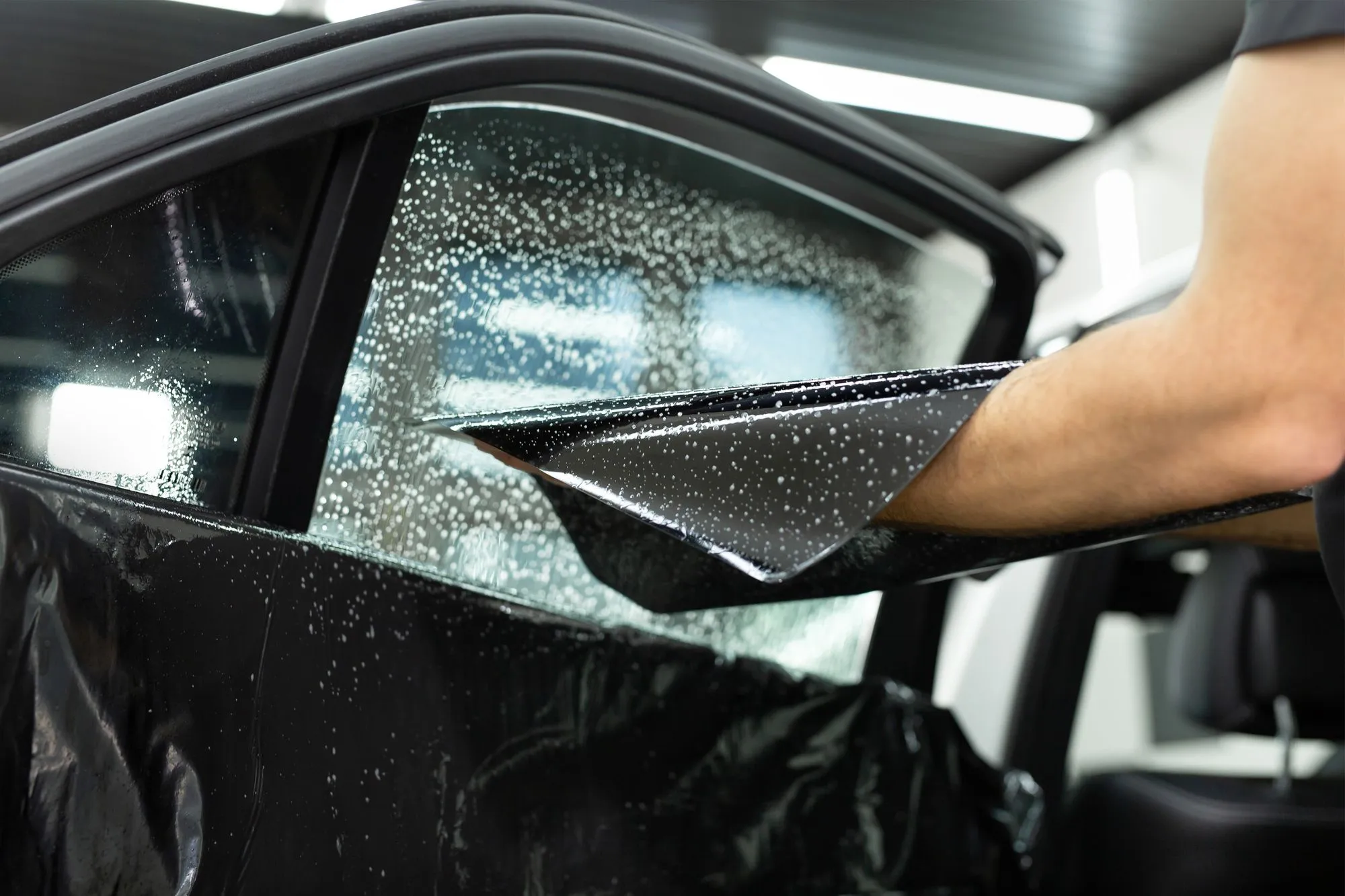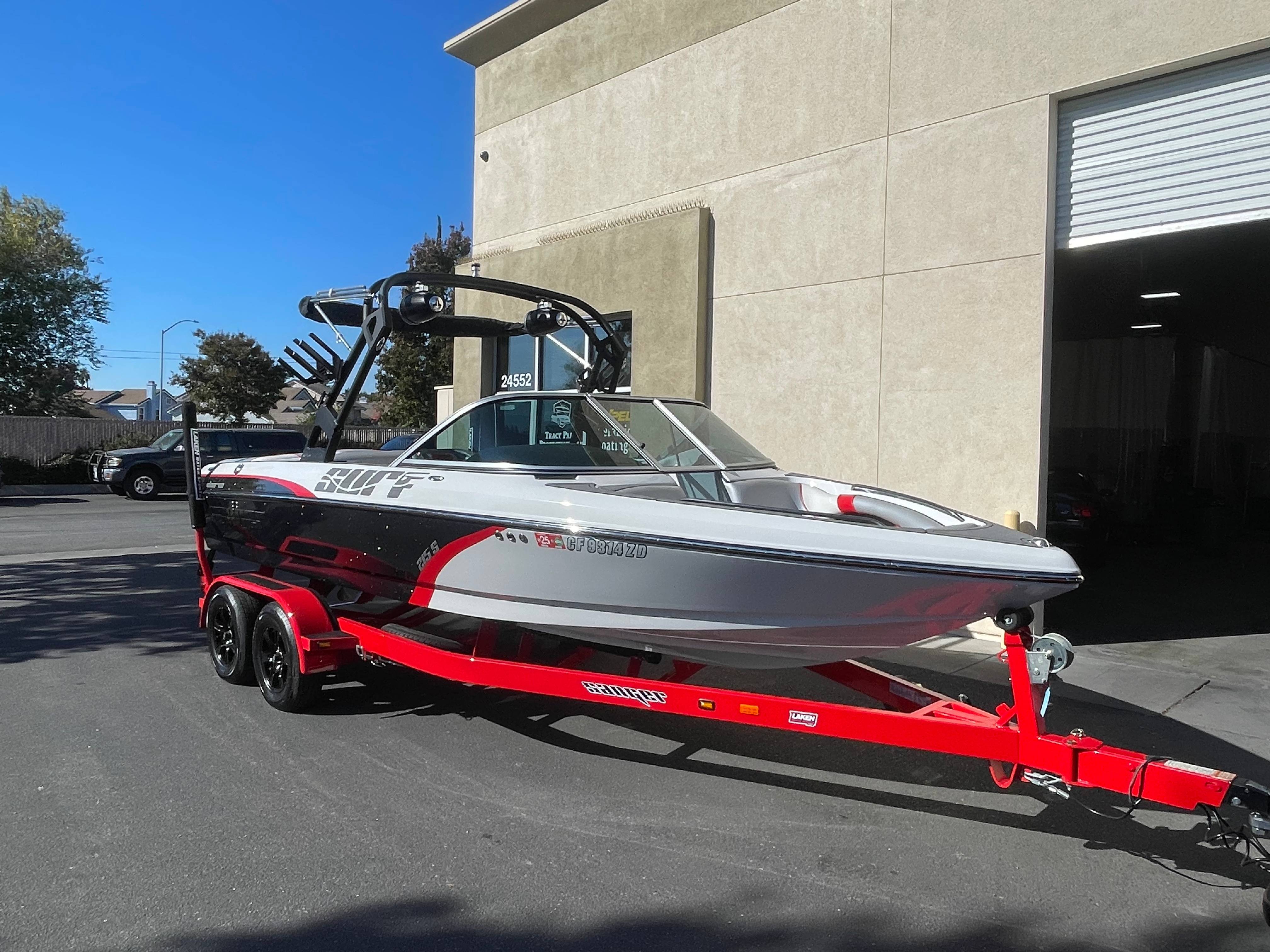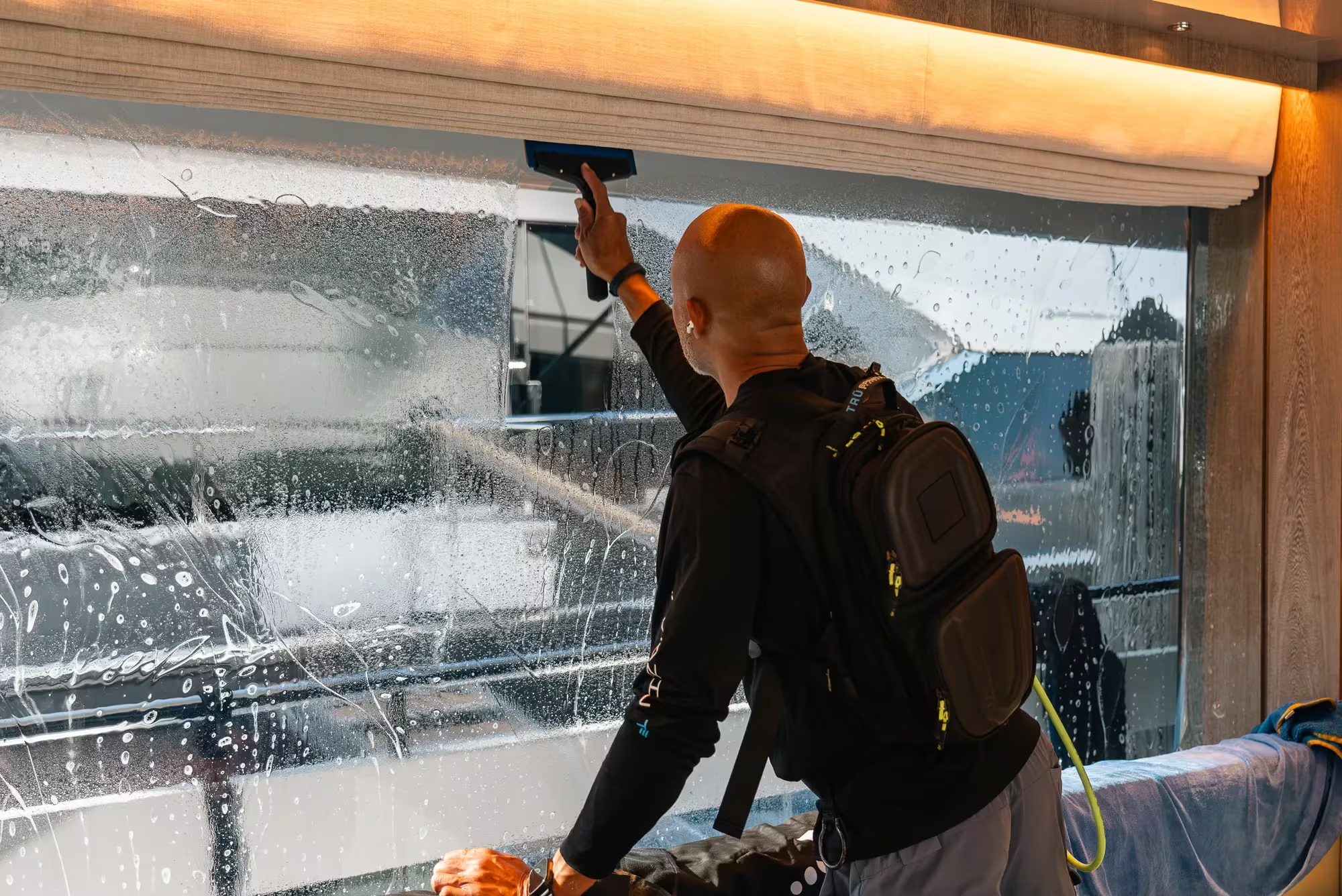

Boat Window Tinting Near Richmond can help reduce heat, glare, and UV exposure when you spend long days on the water. Large windshields and cabin windows give boat owners wide views, but they also allow strong sunlight to reach the helm, seats, dash, flooring, and cabin. For boat owners throughout Mechanicsville, VA & Richmond, VA, marine window film offers a practical way to control some of that sunlight while keeping a clear view outside.
Wooddy’s Detailing installs XPEL Marine Window Film for boat owners who want greater comfort inside their vessel. Our team is XPEL certified, Wooddy’s Detailing is an XPEL vendor, and we have served customers since 2010 from our shop at 8492 Meadowbridge Rd in Mechanicsville.
XPEL currently lists Marine Window Film in 5%, 15%, 35%, 55%, and 75% options. According to the manufacturer’s USA specification sheet, the films provide 99% UV rejection and total solar energy rejection ranging from 45% to 64% when tested on 1/8-inch glass.
Choosing marine tint is not simply about selecting the darkest film. Window material, film shade, visibility, cabin layout, time of day, and how you use your boat should all be considered.
Here is what boat owners should know about Boat Window Tinting Near Richmond before choosing film for a windshield, cabin, or other compatible marine glazing.
A boat cabin can warm up quickly when sunlight passes through large windows for hours at a time.
Many cruisers, cabin boats, yachts, and other vessels have wide areas of glass or clear glazing across the front and sides. As the sun moves or the boat changes direction, sunlight can enter through different windows.
Solar energy passing through the windows reaches seats, dashboards, flooring, tables, and other interior surfaces. Those surfaces absorb heat, which can make an enclosed cabin uncomfortable.
A boat sitting at a dock can feel very different from one moving across the water with air flowing through it.
Several factors can affect cabin heat:
Boat Window Tinting Near Richmond works by reducing part of the solar energy passing through compatible glazing.
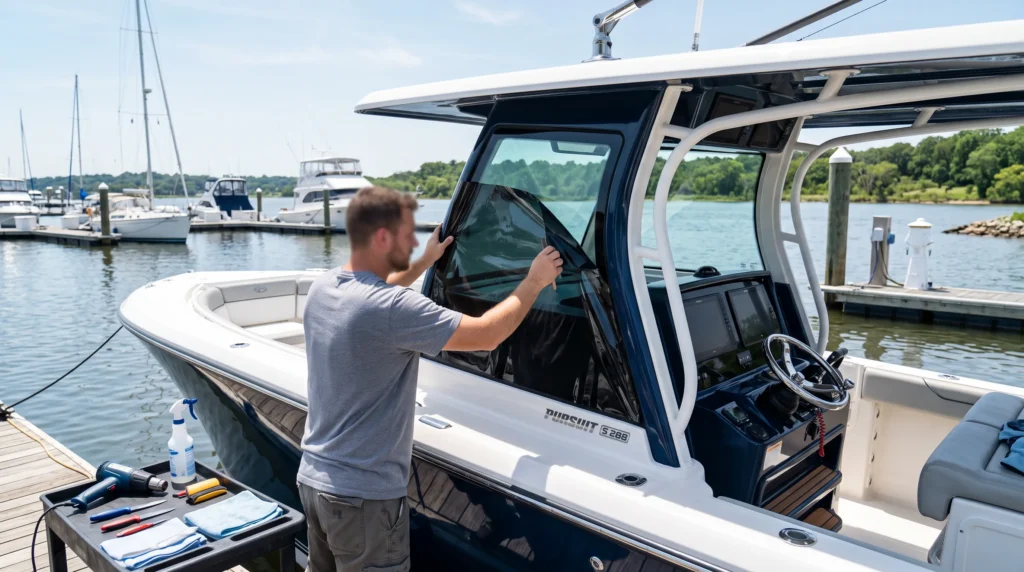
Boat owners can learn more about Wooddy’s Detailing’s Marine Window Tint service before scheduling an appointment.
Glare can be one of the more frustrating parts of boating on a bright day.
Sunlight does not only come straight through the windshield. Light reflects off the water, creating bright conditions from several directions.
You might notice glare while:
The angle can change as the boat turns.
Boat Window Tinting Near Richmond can reduce the amount of visible light passing through selected windows. Darker films allow less visible light through than lighter options.
There is a tradeoff.
A film that feels comfortable in strong midday sun may also reduce visibility after sunset or during cloudy weather.
That is why film shade and window location should be considered together.
XPEL publishes solar performance figures for its Marine Window Film.
One measurement is Total Solar Energy Rejection, usually listed as TSER. It describes the percentage of total solar energy rejected by the film and glass combination during testing.
According to the XPEL Marine Window Film USA Specification Sheet, its current marine films produced these results when applied to 1/8-inch glass:
| XPEL Marine Film | Visible Light Transmittance | Total Solar Energy Rejection | UV Rejection |
|---|---|---|---|
| 5% | 6% | 64% | 99% |
| 15% | 16% | 63% | 99% |
| 35% | 37% | 58% | 99% |
| 55% | 55% | 50% | 99% |
| 75% | 77% | 45% | 99% |
XPEL states that these figures are nominal guidance values based on testing with the film installed on 1/8-inch glass.
Actual results on a boat can vary.
Marine glazing can differ in thickness, color, material, shape, and construction. Cabin size, ventilation, weather, sun angle, and other factors also affect how warm the interior becomes.
For a boat with large exposed windows, Boat Window Tinting Near Richmond can still reduce one source of solar energy entering the cabin.
Visible Light Transmittance, or VLT, tells you how much visible light passes through the film and test glass.
XPEL’s published testing shows a large difference between its light and dark marine films.
The 5% Marine Window Film produced 6% visible light transmittance during testing. The 75% film produced 77%.
That difference matters when glare is one of your concerns.
A darker film can reduce more visible light during bright daytime conditions. A lighter film keeps the cabin brighter and allows more visible light through the glazing.
Neither choice is automatically right for every window.
A side cabin window may have different needs from a windshield used to operate the boat.
What this means is that Boat Window Tinting Near Richmond should be planned around each window’s job rather than treating every piece of glazing the same way.
UV rejection is another reason boat owners consider marine window film.
XPEL’s Marine Window Film specification sheet lists 99% UV rejection for the 5%, 15%, 35%, 55%, and 75% products under its test conditions.
Sunlight entering through boat windows can reach:
UV exposure is one factor that can affect interior materials over time.
Heat, moisture, cleaning products, storage conditions, and normal use can also affect how boat interiors age.
Boat Window Tinting Near Richmond cannot stop every cause of fading or material wear, but reducing UV transmission through compatible windows can give the interior another layer of protection from sunlight.
XPEL currently lists five main Marine Window Film levels.
This is the darkest film listed on the current XPEL marine specification sheet.
XPEL reports:
A film this dark may make sense for selected windows where daytime privacy and strong light reduction are wanted.
Low-light visibility deserves careful consideration.
XPEL’s 15% Marine Window Film is also a dark choice.
Published testing lists:
It can create a noticeably darker appearance while cutting a large amount of visible light.
The 35% option sits closer to the middle of the range.
XPEL reports:
This option may appeal to owners who want obvious shading without using one of the darkest films.
The 55% film allows more visible light through.
XPEL reports:
This may suit a cabin where the owner wants solar and UV rejection while maintaining a lighter appearance.
The 75% film is the lightest option listed in XPEL’s current Marine Window Film specification sheet.
XPEL reports:
A lighter film can make sense when owners want to preserve a more natural appearance while still reducing part of the solar energy reaching the interior.
When considering Boat Window Tinting Near Richmond, start with how the boat is used.
Ask questions such as:
A cruiser with large side windows may need a different setup from a center console with a smaller windshield.
Different areas of the same vessel may also call for different shades.
Here is why. Bright midday sun creates different viewing conditions than cloudy weather, dusk, or nighttime operation.
Choosing the right shade means balancing glare control, heat rejection, appearance, and visibility.
Windshields deserve extra care during Boat Window Tinting Near Richmond because they can be part of the operator’s field of view.
A boat may be operated under very different lighting conditions during a single trip.
You could leave the dock in strong afternoon sunlight and return after sunset.
A dark windshield film may reduce glare during bright daylight while also reducing visible light when conditions become darker.
Lighter marine film options allow more light through while still providing solar-energy and UV rejection.
Windshield material is another factor.
Some boats use traditional glass. Others use acrylic, polycarbonate, or another clear material.
Identifying the material before installation helps determine the proper film system.
Large cabin windows are one of the main reasons people look for Boat Window Tinting Near Richmond.
Cabin glazing can allow sunlight to reach seating, tables, flooring, dashboards, and other surfaces for hours.
Marine film can help address:
Tint can also give the windows a more consistent appearance when the film shade is selected with the vessel’s design in mind.
Privacy still depends on lighting.
At night, interior lighting can make it easier for people outside to see into a tinted cabin. Window film should not be treated as a replacement for curtains or shades when complete privacy is wanted.
Not every boat window is made from conventional glass.
Acrylic and polycarbonate are also found on marine vessels.
This changes the installation process.
XPEL’s Marine Window Film specification sheet calls for Blister Prevention Film to be installed before its Marine Window Film on polycarbonate or acrylic glazing.
XPEL states that this base layer is used to address outgassing from the glazing material.
The Blister Prevention Film is placed directly onto the polycarbonate or acrylic surface before the Marine Window Film is installed over it.
XPEL describes the blister-prevention layer as virtually clear.
This is one reason a marine window tint job should begin by identifying the glazing material.
The installer needs to know what is being covered before choosing the installation process.
Yes, marine window film can reduce UV passing through treated glazing.
XPEL reports 99% UV rejection across its main Marine Window Film shades under its stated test conditions.
That can help reduce UV exposure reaching seats, dashboards, flooring, trim, fabrics, and other interior materials.
No window film can stop every cause of interior wear.
Moisture, heat, cleaning products, spills, dirty clothing, sunscreen, and normal use can all affect marine interiors.
Boat Window Tinting Near Richmond focuses on the sunlight passing through compatible glazing.
Reducing that exposure can be useful for owners whose cabins spend many hours in direct sun.
Marine window tint can reduce solar energy passing through treated windows.
XPEL’s published test figures list total solar energy rejection from 45% to 64% depending on the Marine Window Film selected.
Those percentages should not be confused with cabin temperature.
A film with 64% total solar energy rejection does not mean a cabin will become 64% cooler.
Cabin temperature depends on many conditions, including:
Boat Window Tinting Near Richmond reduces one source of heat entering through the windows.
The difference you feel aboard will depend on the vessel and conditions on the water.
Boat windows can create installation challenges that are different from many automotive windows.
Marine glazing may have:
Preparation matters too.
Dust, residue, hair, and debris trapped beneath film can affect the finished appearance.
Film edges also need attention around seals and frames.
For acrylic and polycarbonate windows, XPEL’s Blister Prevention Film requirement adds another step.
Wooddy’s Detailing is XPEL certified and an XPEL vendor. Our team can inspect the glazing, discuss the film options, and help determine which XPEL marine film fits the way you use your boat.
Visit our Marine Window Tint page to learn more.
Boat Window Tinting Near Richmond addresses the windows, but other boat surfaces may call for another kind of protection.
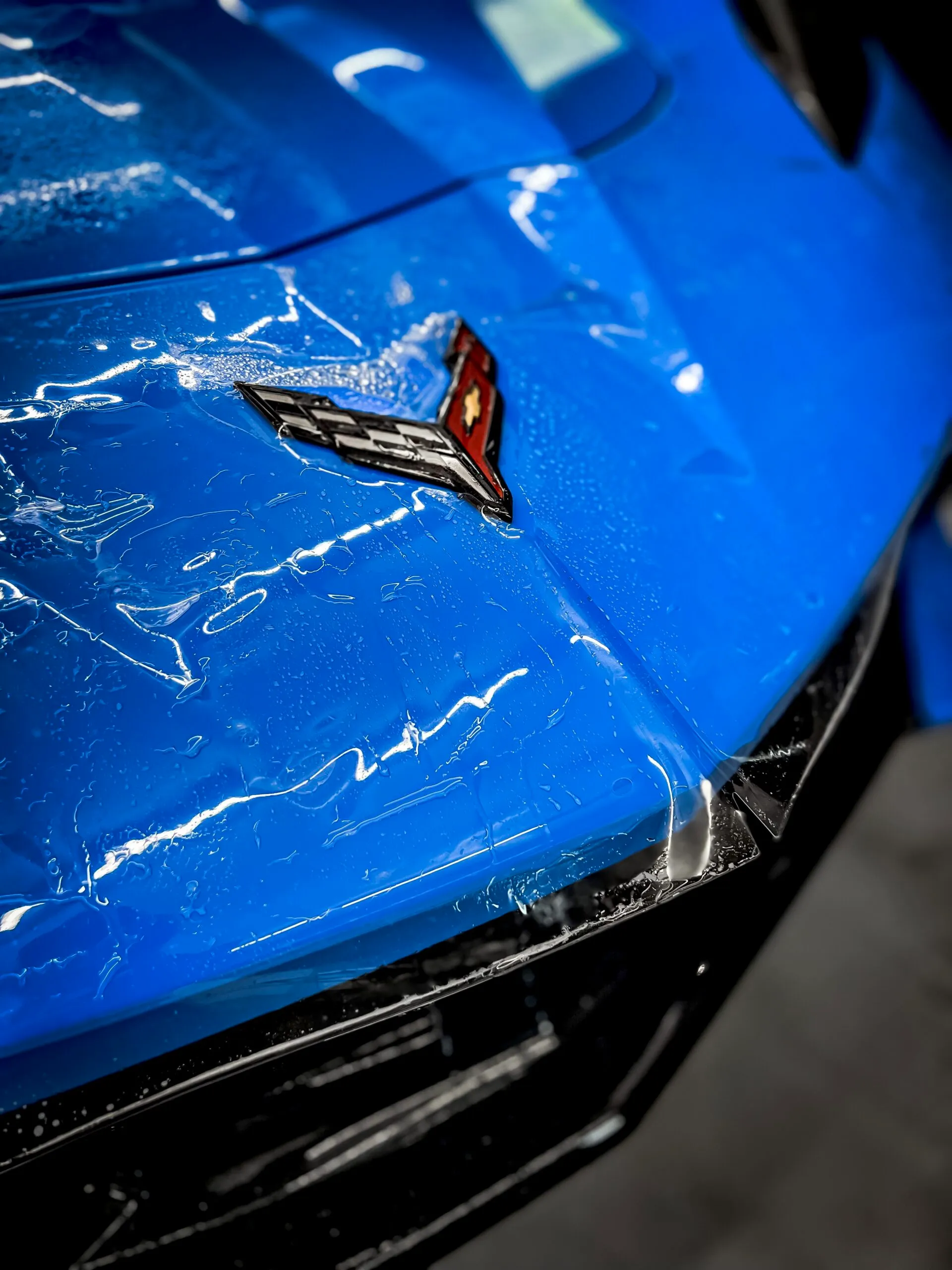
Wooddy’s Detailing also offers Marine Ceramic Coating and Marine Paint Protection Film.
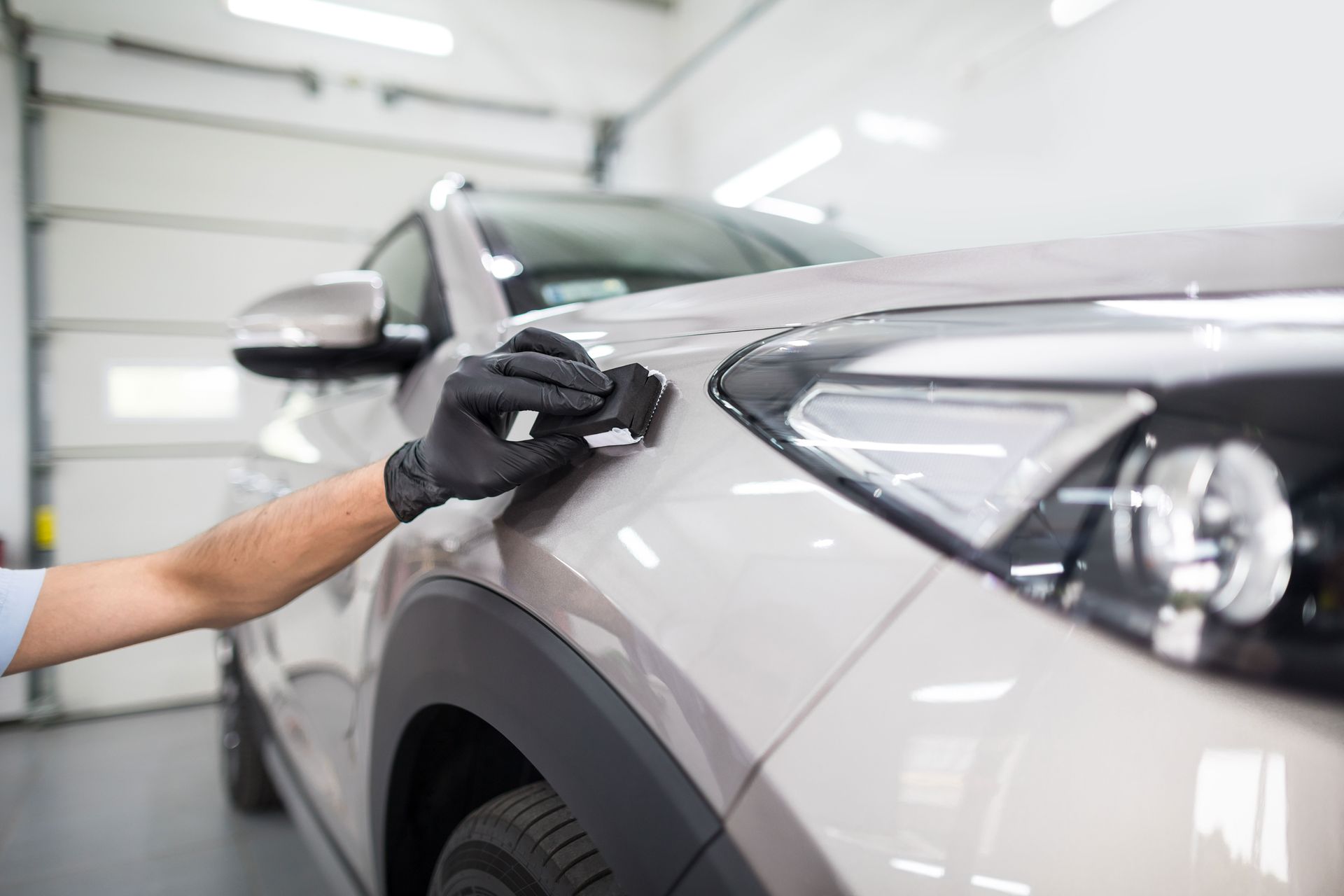
XPEL FUSION PLUS Marine Ceramic Coating can be applied to compatible marine surfaces after the proper preparation.
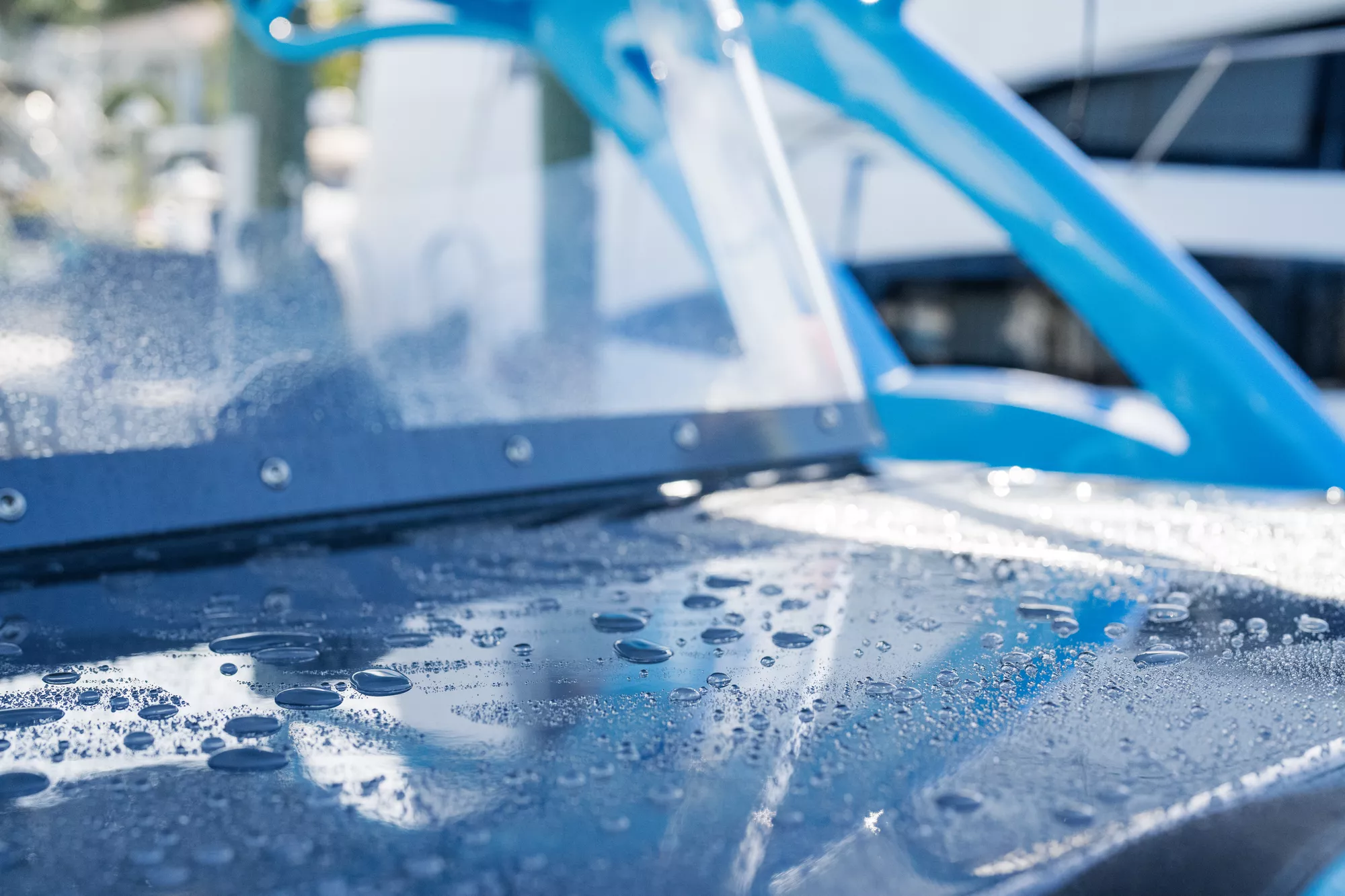
The coating creates a water-repelling surface and is made for marine use.
Owners may consider coating for gelcoat, paint, glass, and other suitable surfaces.
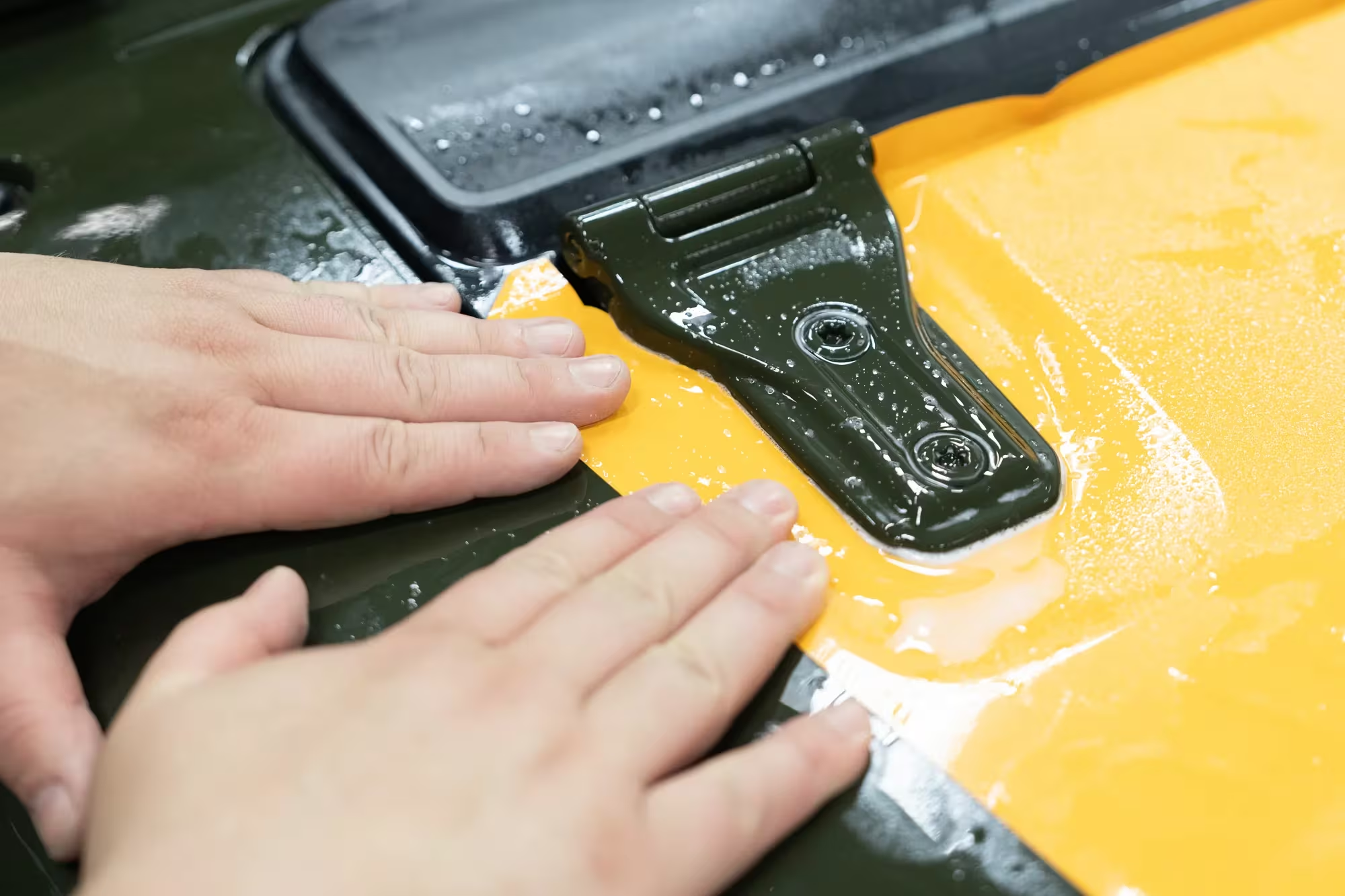
XPEL Marine Protection Film is a clear polyurethane film made for areas where physical surface protection is wanted.
Depending on surface compatibility, marine PPF can be considered for areas such as:
Marine Window Tint focuses on solar energy, UV, glare, and visible light passing through compatible glazing.
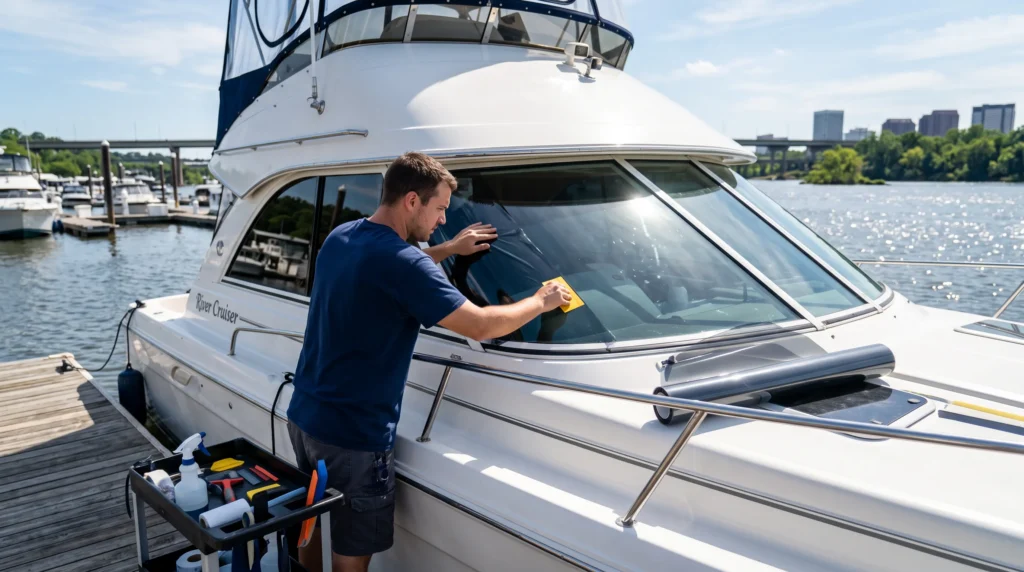
These services handle different parts of boat care.
You can visit the Wooddy’s Detailing Marine Services page to review the available options.
Boat Window Tinting Near Richmond can help boat owners manage bright sunlight without giving up the wide views that make spending time on the water enjoyable.
The right setup depends on your vessel.
A cruiser with a large enclosed cabin may have different needs from a fishing boat with a smaller windshield.
A vessel regularly operated after sunset may call for lighter film in areas used for navigation.
A cabin that sees strong afternoon sunlight may need another setup on its side or rear glazing.
Wooddy’s Detailing provides marine window film services for boat owners throughout Mechanicsville, VA & Richmond, VA.
We have served customers since 2010 and are XPEL certified and an XPEL vendor.
Wooddy’s Detailing
8492 Meadowbridge Rd
Mechanicsville, VA 23116
Phone: (804) 914-9274
Hours:
Monday through Friday: 8:30 AM to 6:30 PM
Saturday: 9:00 AM to 5:00 PM
If heat or glare is making your time aboard less comfortable, call (804) 914-9274 or visit the Wooddy’s Detailing contact page to schedule an appointment.
Yes. Marine window film can reduce solar energy passing through treated glazing. XPEL’s current specification sheet lists total solar energy rejection from 45% to 64% across its Marine Window Film options when tested on 1/8-inch glass. Actual cabin temperatures vary based on boat design, weather, ventilation, and other conditions.
Yes. Window film reduces the amount of visible light passing through compatible glazing. Darker films allow less visible light through, which can help with strong daytime glare. Film darkness should still be chosen with nighttime and low-light visibility in mind.
XPEL reports 99% UV rejection for its 5%, 15%, 35%, 55%, and 75% Marine Window Film products under its stated testing conditions.
Yes, but XPEL calls for its Blister Prevention Film to be installed first on polycarbonate and acrylic surfaces before XPEL Marine Window Film is applied. The base film is intended to address outgassing from those glazing materials.
XPEL currently lists 5%, 15%, 35%, 55%, and 75% Marine Window Film. Your choice should account for window location, daytime glare, nighttime operation, privacy goals, existing glazing color, and the amount of natural light you want inside the cabin.
Some compatible boat windshields may be candidates for marine film. Glazing material and visibility should be reviewed first. Windshields used during nighttime or low-light operation may call for more visible light transmission than side cabin windows.
Wooddy’s Detailing installs XPEL Marine Window Film for boat owners throughout Mechanicsville, VA & Richmond, VA. Our shop is located at 8492 Meadowbridge Rd in Mechanicsville. Call (804) 914-9274 or use our contact page to schedule an appointment.
Contact Wooddy’s Detailing when you are ready to protect, improve, or restyle your vehicle with help from a trusted local shop. We proudly serve customers in Mechanicsville, VA and Richmond, VA with services that include paint protection film, color PPF, ceramic coating, window tint, vinyl wrap, paint correction, chrome delete, and auto detailing. Whether you have a daily driver, luxury vehicle, Tesla, Cybertruck, fleet vehicle, or boat, our team is here to help you choose the right service for your goals. Customers often contact us when they want better protection, easier upkeep, more privacy, or a cleaner finished look. We make it easy to reach out, ask questions, and move forward with the service that fits your needs. Since 2010, Wooddy’s Detailing has focused on giving local customers a clear process and dependable service. When you are ready to get started, our team is ready to help.
Explore the many services we offer by clicking the boxes below