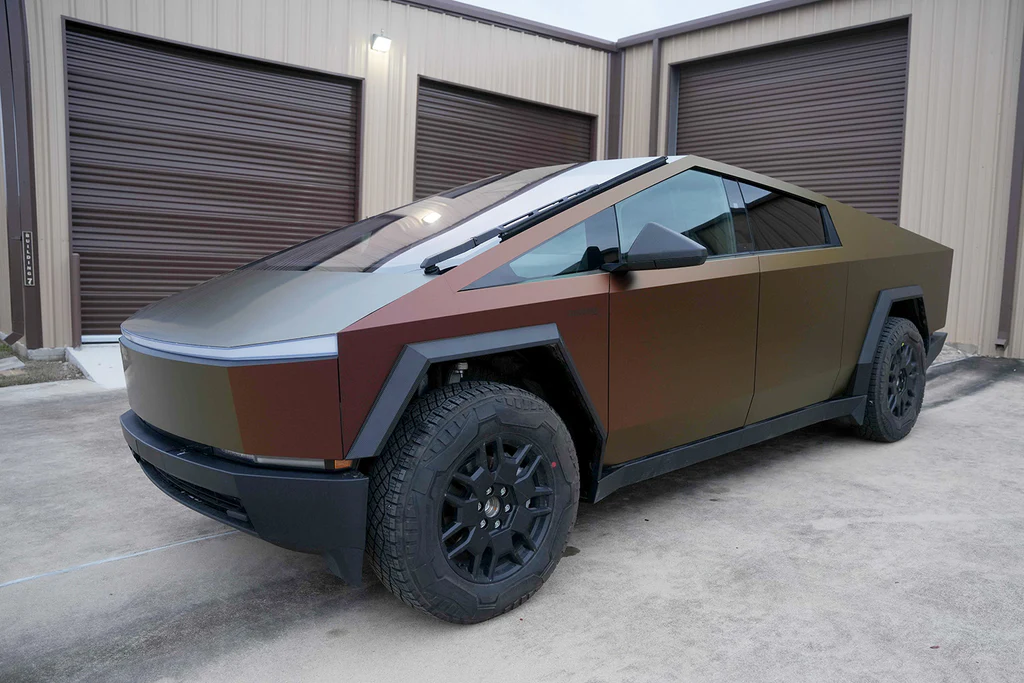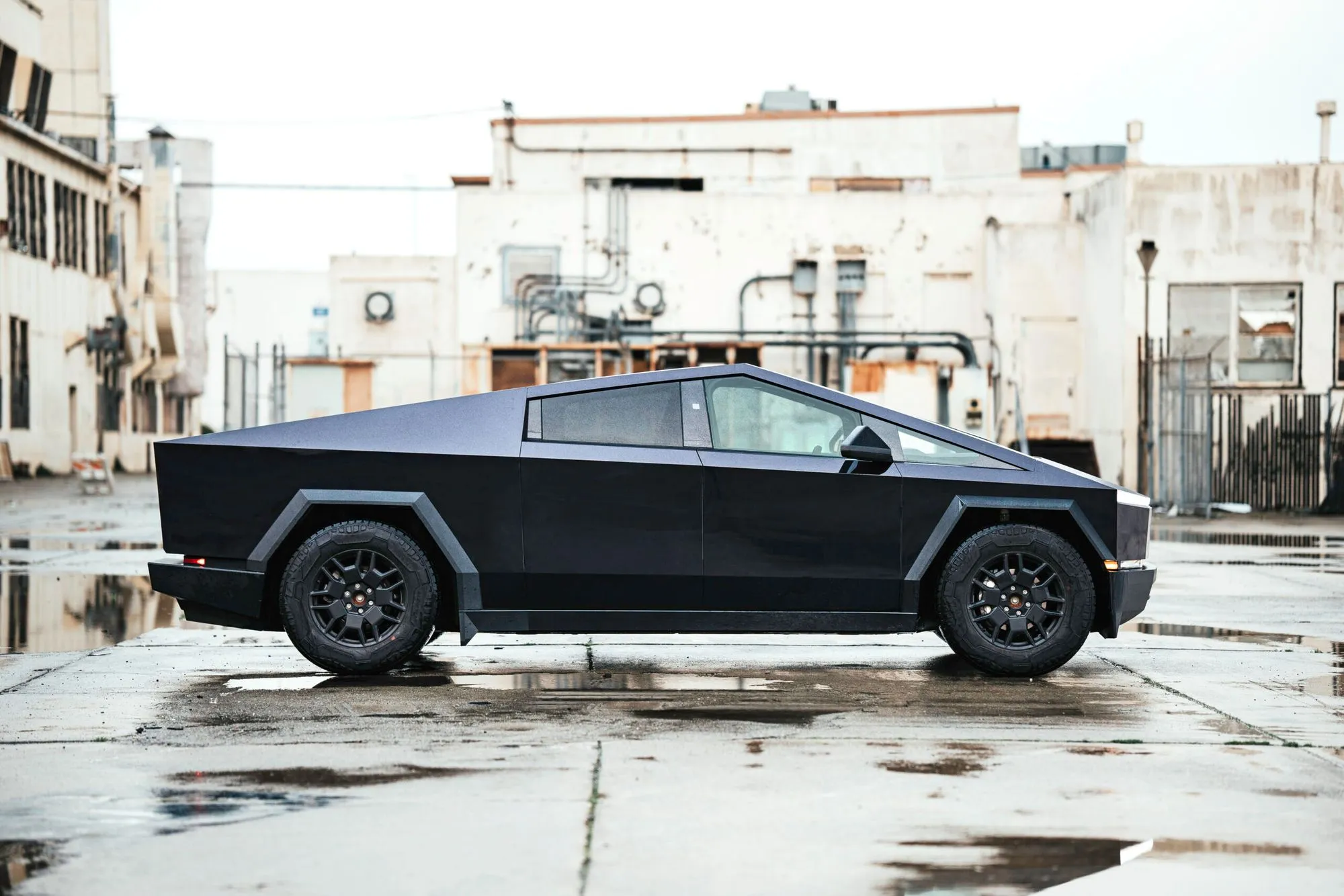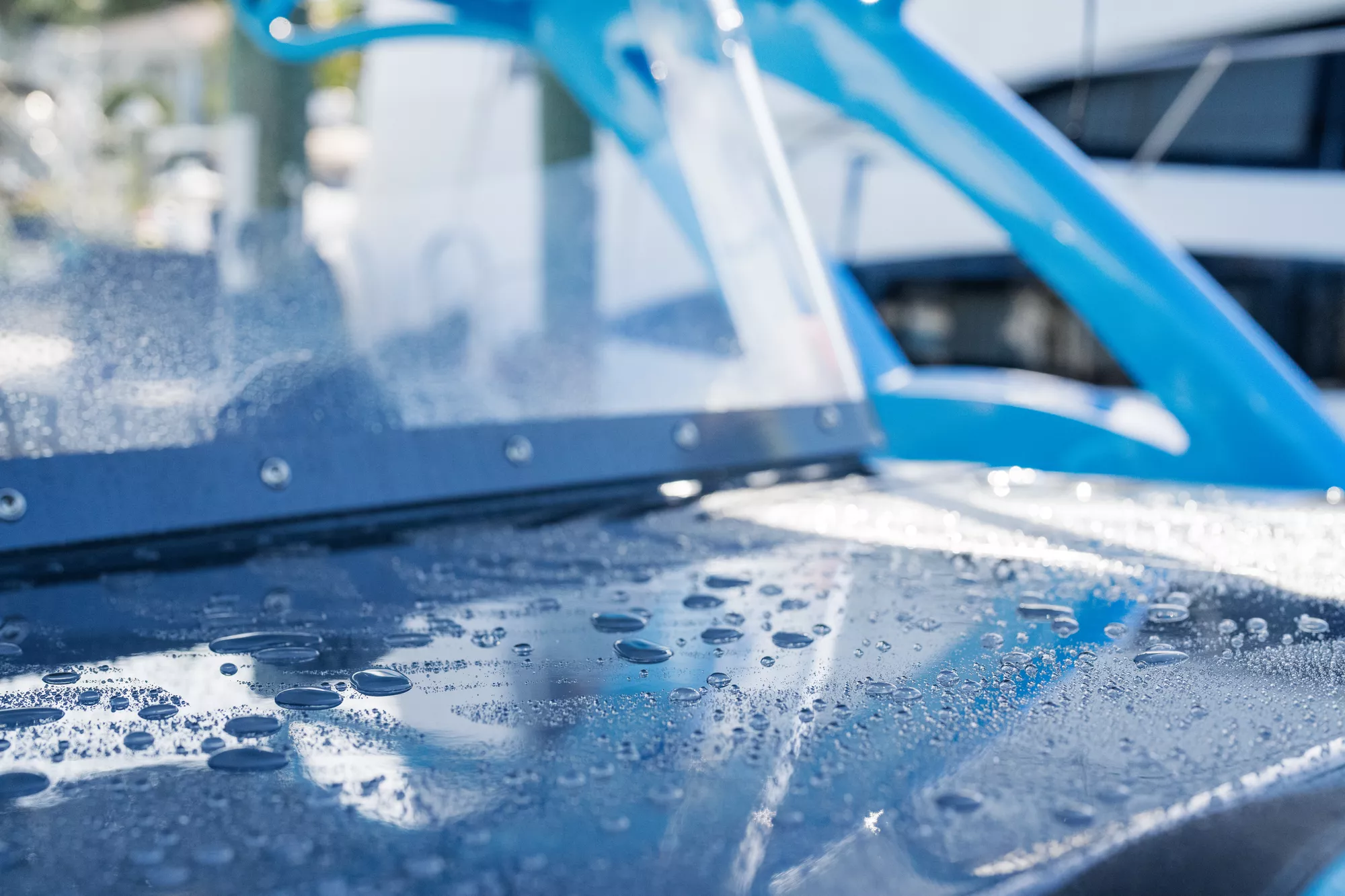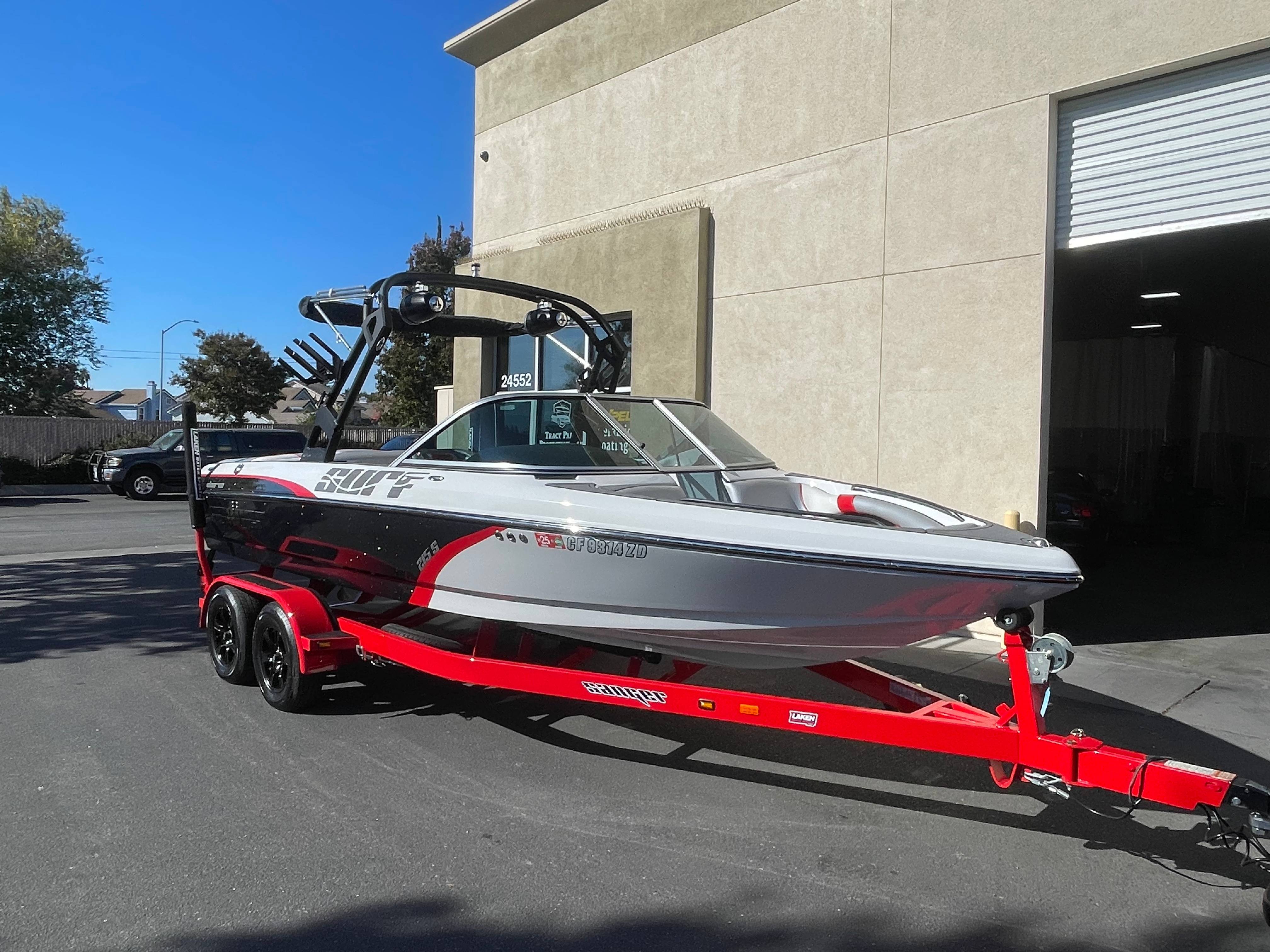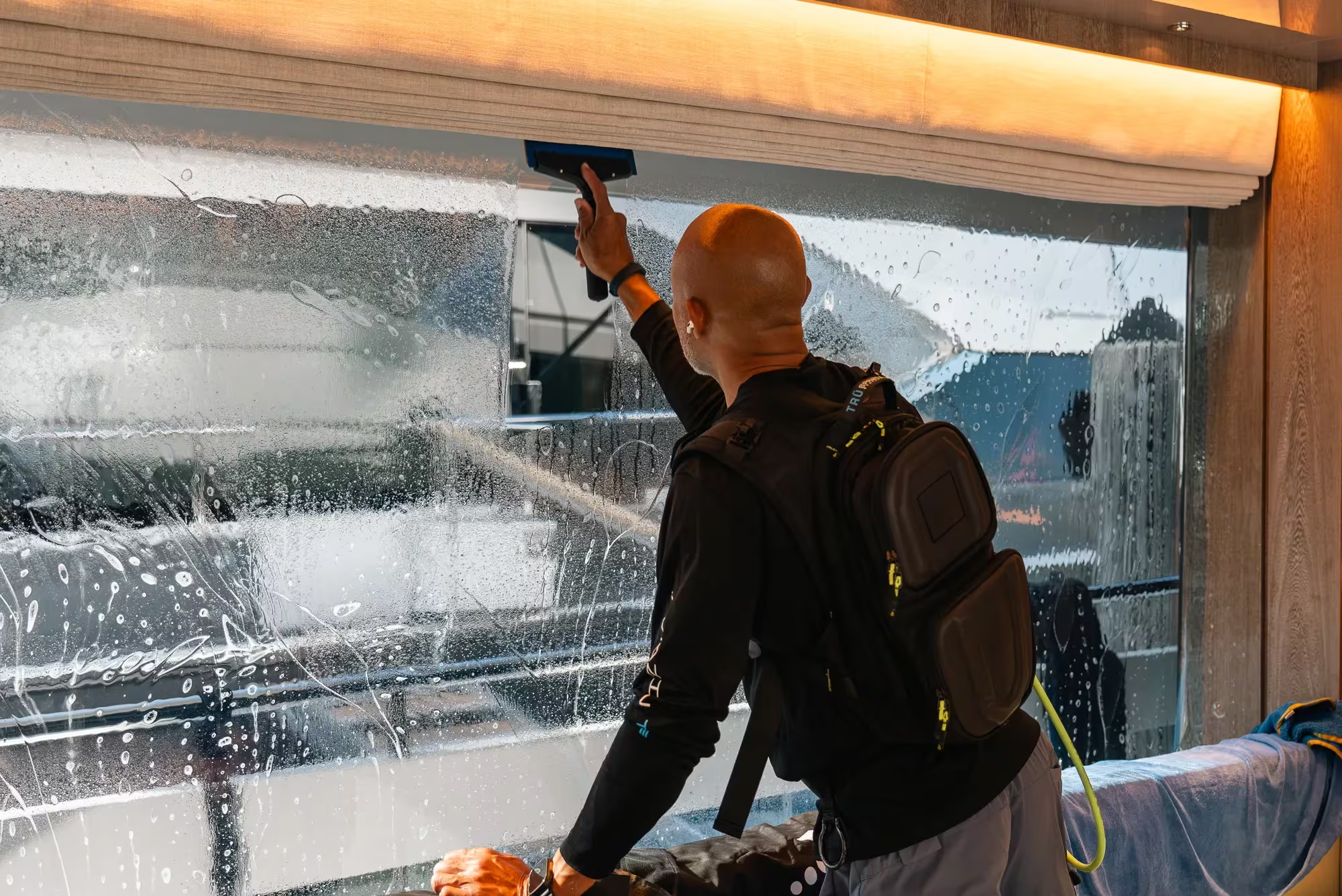

Marine Detailing vs Auto Detailing comes down to much more than whether the vehicle has wheels or a hull. Boats and cars face different environments, use different surface materials, collect different types of contamination, and often need different polishing and protection methods. For owners throughout Mechanicsville, VA & Richmond, VA, understanding those differences can help you choose the right cleaning and protection service for your car, truck, SUV, fishing boat, wake boat, cruiser, or other watercraft.
Wooddy’s Detailing works with both automotive and marine surfaces. Our shop is located at 8492 Meadowbridge Rd in Mechanicsville, and we have served customers since 2010.
Our automotive work includes Auto Detailing, paint correction, ceramic coating, PPF, window tint, and other appearance services. Our Marine Services include marine ceramic coating, Marine Protection Film, and marine window tint.
The biggest difference is the environment each surface lives in.
A car may deal with road grime, pollen, bugs, brake dust, rain, and highway debris.
A boat can face water exposure, mineral deposits, UV exposure, dock contact, wet interiors, marine grime, oxidation, and repeated cycles of getting wet and drying.
Here is how Marine Detailing vs Auto Detailing differs in Virginia and why boat care should not simply copy an automotive detailing process.
Auto detailing is a deeper cleaning and appearance-care process for cars, trucks, SUVs, Teslas, and other road vehicles.
Wooddy’s current detailing information lists work that can include:
The process depends on the vehicle.
A lightly used sports car may need little interior work but need paint attention.
A family SUV may need a much deeper cabin cleaning.
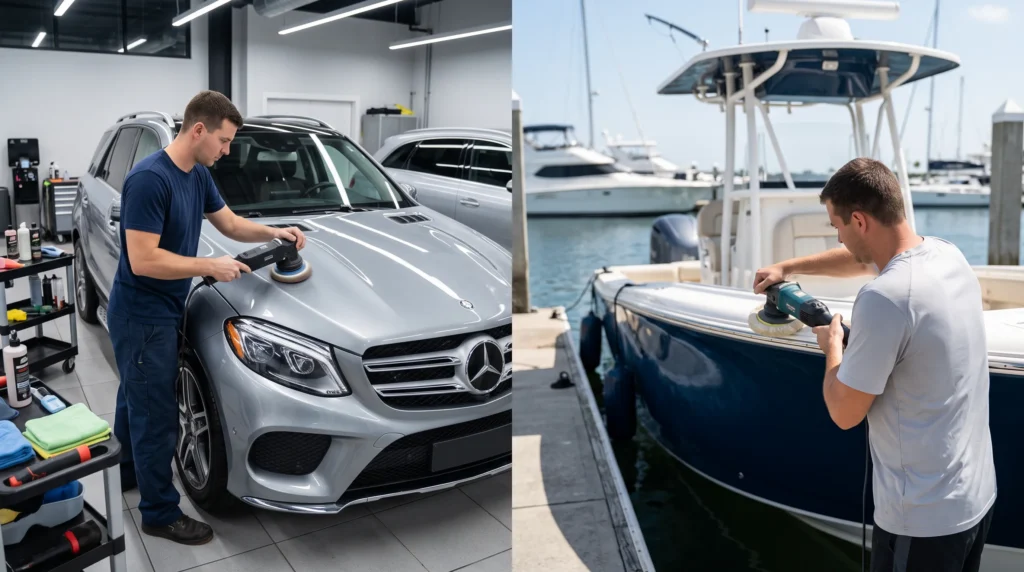
A daily commuter may have road film, bugs, wheel contamination, and interior dust.
Auto detailing starts with the vehicle’s condition and then matches the work to what needs attention.
Marine detailing applies the same idea of careful cleaning and surface care to boats and watercraft, but the materials and conditions can be very different.
A marine detailing job may involve:
A boat can also have difficult access around the trailer, bunks, dock, lifts, or storage setup.
Marine Detailing vs Auto Detailing becomes easier to understand when you look at what the exterior surface actually is.
A car may have automotive clear coat.
A boat may have gelcoat over fiberglass.
Those surfaces should not automatically be treated the same way.
| Area | Auto Detailing | Marine Detailing |
|---|---|---|
| Common exterior surface | Automotive paint and clear coat | Gelcoat, fiberglass, painted surfaces, aluminum |
| Common contamination | Road grime, bugs, pollen, brake dust | Water deposits, marine grime, oxidation, dock contamination |
| Interior concerns | Carpet, leather, cloth, plastic, glass | Marine vinyl, marine flooring, wet storage areas, glass |
| Correction | Automotive paint polishing | Gelcoat polishing or marine surface correction |
| Protection | Automotive ceramic coating, PPF | Marine ceramic coating, Marine Protection Film |
| Access | Vehicle on ground or lift | Trailer, dock, lift, storage rack, water access |
| Water exposure | Rain and washing | Repeated direct water exposure |
| UV exposure | Exterior and cabin | Hull, deck, upholstery, exposed marine surfaces |
The processes share some ideas, but the products and techniques should match the surface.
One of the biggest differences in Marine Detailing vs Auto Detailing is material.
Most modern cars use painted body panels with a clear coat above the color layer.
Boats may use:
This matters because a product designed for clear-coated automotive paint may not be the right product for every marine surface.
A detailer should identify the material before cleaning or polishing it.
That is especially true when the boat has several surfaces close together.
A single section may combine gelcoat, vinyl graphics, rubber trim, metal hardware, and glass.
Gelcoat is common on fiberglass boats.
It provides the colored or finished exterior surface over the fiberglass structure.
Gelcoat can become dull with age and exposure.
When that happens, washing may remove dirt but leave the surface looking chalky or faded.
This is where marine correction enters the picture.
BoatUS testing published in 2026 found that washing weathered gelcoat improved measured gloss, while polishing produced the highest initial average gloss among the treatment groups it tested.
That supports the difference between cleaning and polishing.
A boat can be clean while still looking dull.
If oxidation is present in the gelcoat, more work may be needed after washing.
Oxidation can affect both cars and boats, but it is a frequent topic in marine detailing because of water exposure, sunlight, storage conditions, and gelcoat aging.
Oxidized gelcoat may look:
A basic wash does not automatically restore heavily oxidized gelcoat.
Depending on condition, the surface may need:
The process should be tested before work begins across the entire vessel.
Marine Detailing vs Auto Detailing also differs here because removing oxidation from gelcoat is not the same as correcting swirl marks in automotive clear coat.
Both cars and boats can develop water spots.
Boats simply encounter water much more often.
Water can dry on:
When mineral-containing water dries, deposits can remain.
Repeated drying can make those spots harder to remove.
A car that gets caught in rain may be washed and dried later.
A boat can be repeatedly exposed to spray, splashing, marina water, freshwater, wash water, and wet storage conditions.
That repeated cycle changes how marine surfaces need to be maintained.
Automotive interiors usually live inside a closed cabin.
Marine interiors can spend much more time exposed to water, wet clothing, sunlight, sunscreen, food, drinks, fish residue, and outdoor air.
Common boat interior surfaces can include:
This means interior boat cleaning can have a stronger focus on moisture-related grime and exposed seating.
A car interior may need:
A boat interior may need more work around wet surfaces, open storage spaces, exposed vinyl, flooring, and areas that collect water or outdoor contamination.
Auto detailing often includes wheels and tires.
Wheels collect:
Boats do not have the same wheel-cleaning concern unless the trailer is part of the service.
Instead, marine exterior work focuses more heavily on:
This is one of the clearest practical differences in Marine Detailing vs Auto Detailing.
The dirtiest areas are often located in different places.
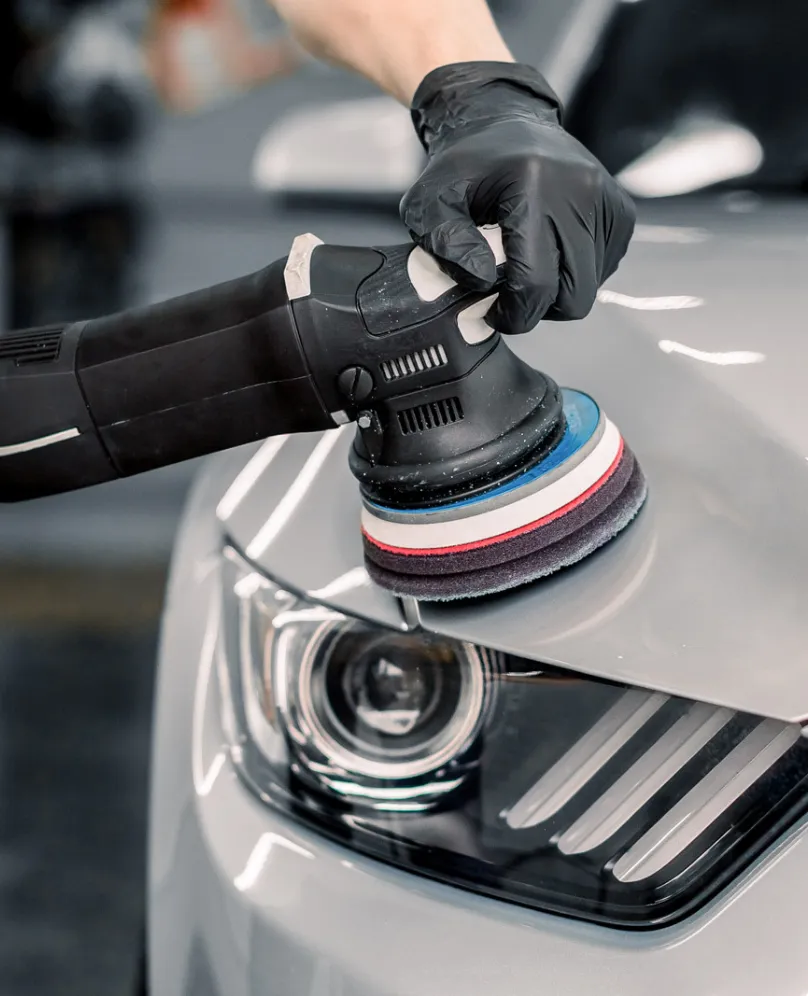
Automotive paint correction works on defects in automotive paint and clear coat.
These can include:
Wooddy’s offers Paint Correction for vehicles that need more than cleaning.
Marine correction can focus on gelcoat oxidation, haze, dullness, and water-related surface wear.
A boat may need a more aggressive polishing approach when oxidation is present.
The working method still needs to respect the surface.
More polishing is not always better.
The goal is to improve the finish without removing more surface material than needed.
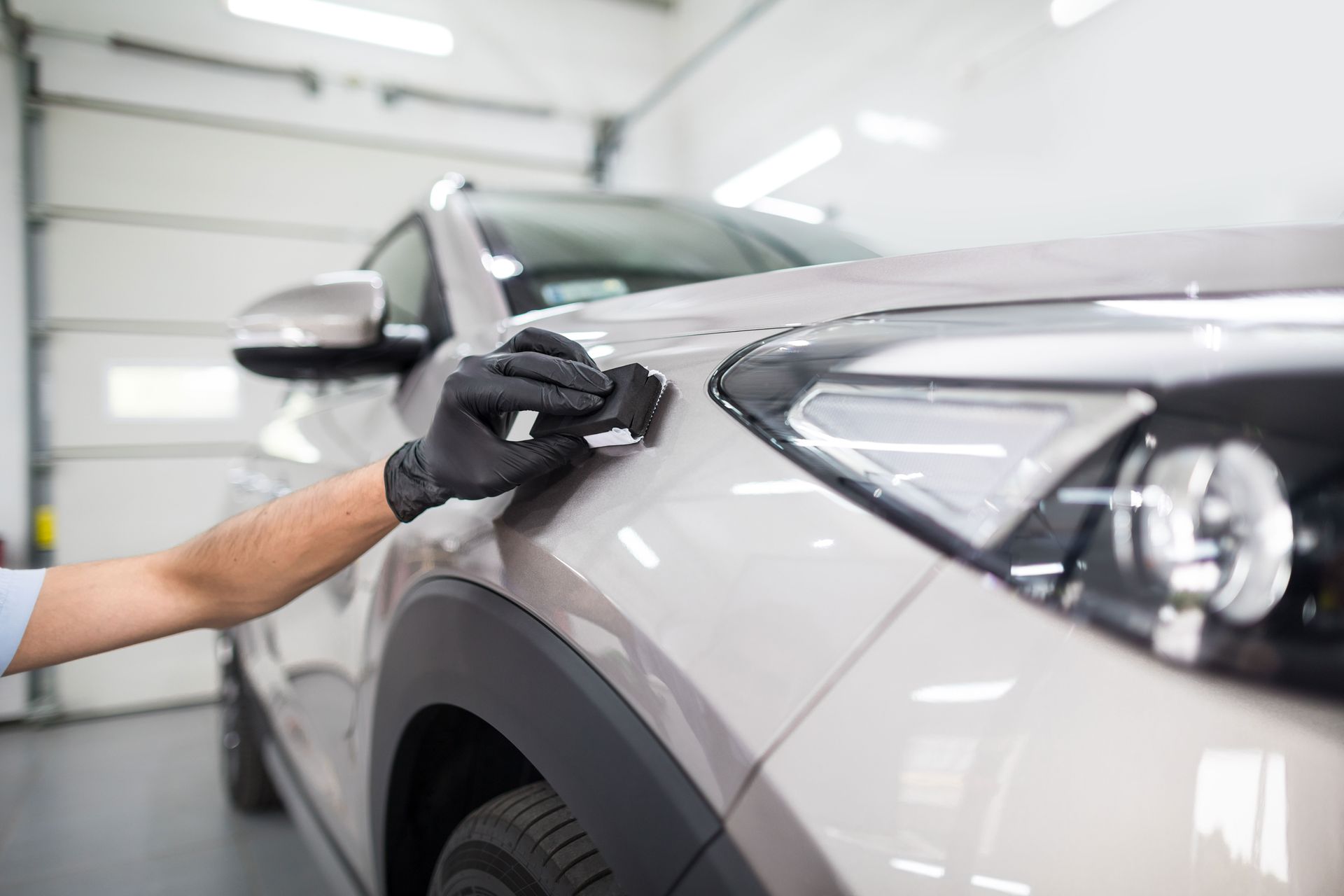
Ceramic coatings are available for both automotive and marine surfaces, but the product should be made for its environment.
Wooddy’s Detailing installs automotive ceramic coating and also offers Marine Ceramic Coating.
XPEL describes FUSION PLUS Marine as a ceramic coating made for marine environments.
The company says it is designed to provide hydrophobic protection against:
XPEL also says the coating can be used on fiberglass.
Automotive ceramic coatings are intended for vehicle surfaces exposed to road use.
Marine coatings need to account for repeated water exposure and marine conditions.
Both can help create a slicker surface that is easier to wash.
Neither means the surface becomes maintenance-free.
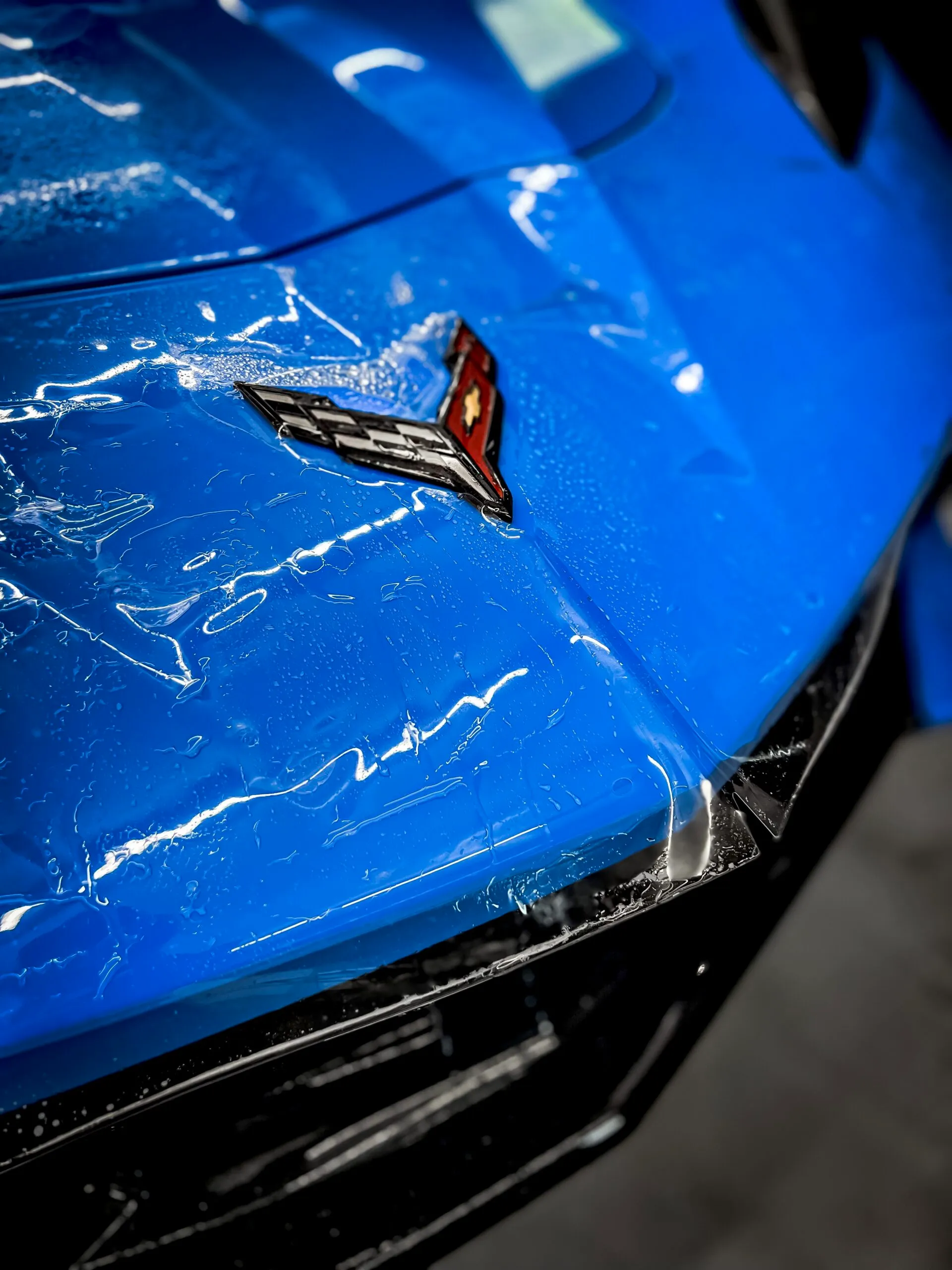
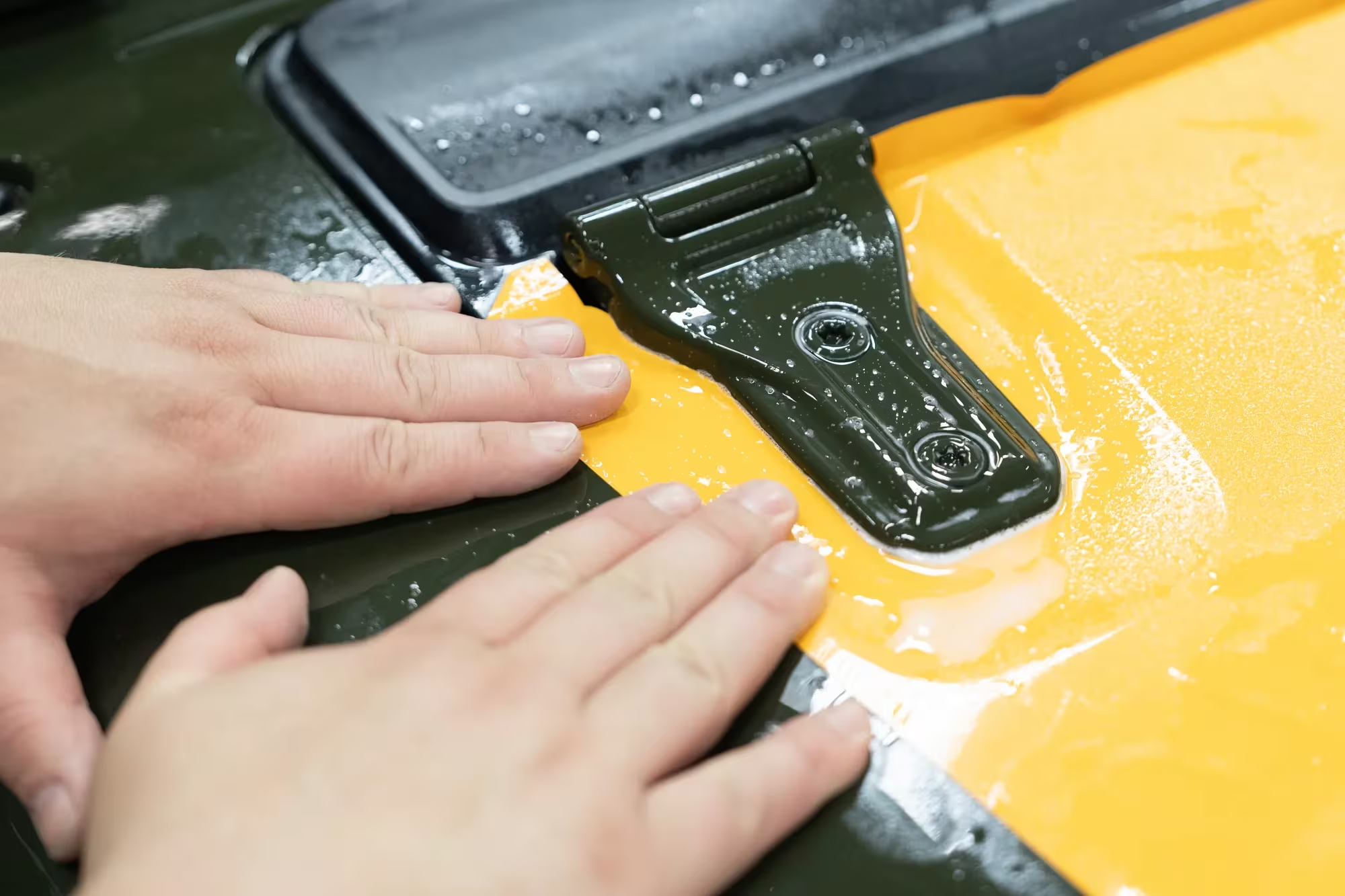
Paint Protection Film is another area where marine and automotive products overlap but should not be treated as identical.
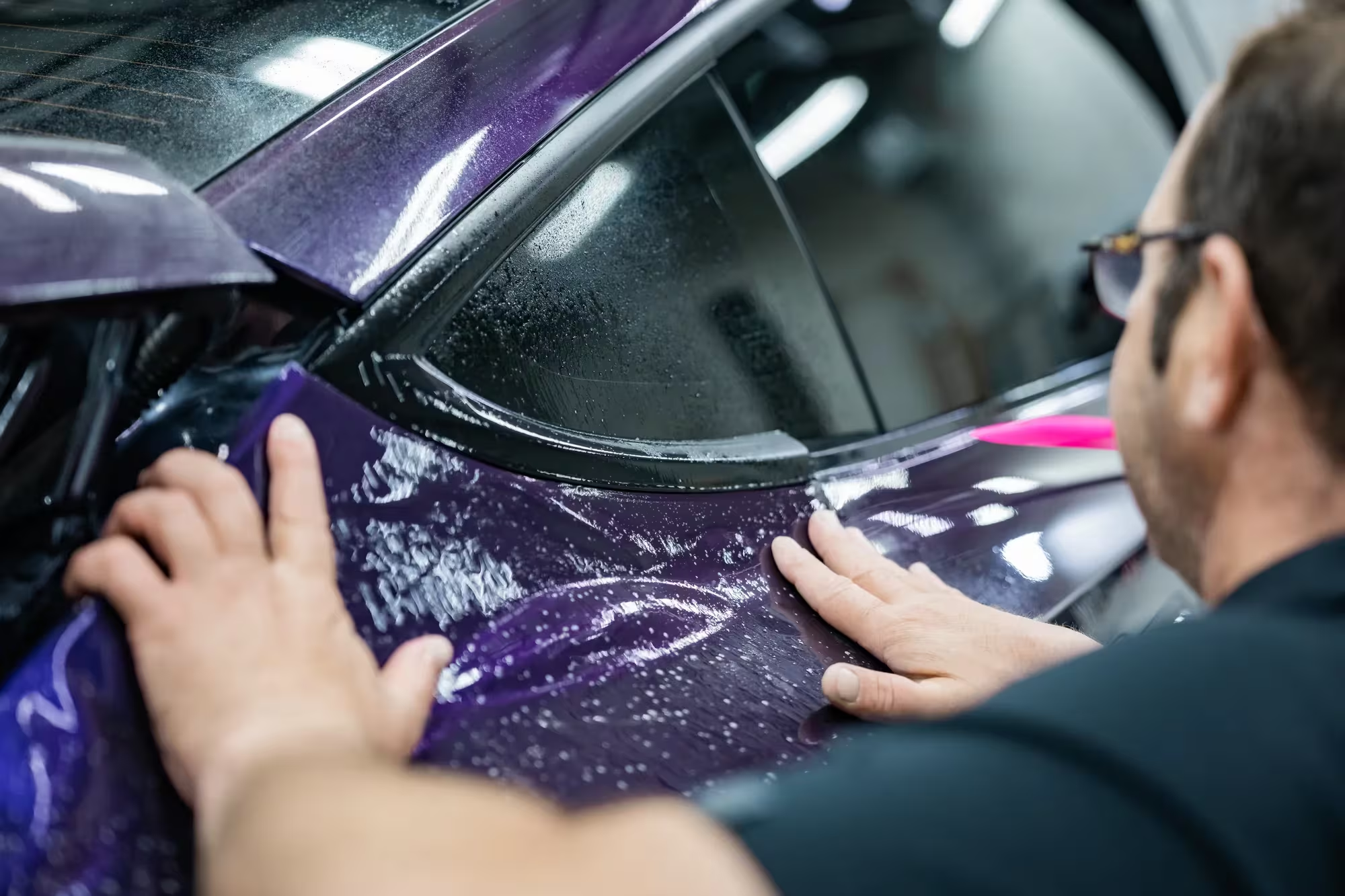
Automotive PPF is installed over suitable painted vehicle surfaces to help protect against:
XPEL also makes Marine Protection Film designed for watercraft.
XPEL states that its marine film is a clear-coated polyurethane film made to resist abrasion, corrosion, and UV exposure.
The company lists marine application areas such as:
Wooddy’s offers Marine Paint Protection Film for boat owners who want physical film protection on suitable surfaces.
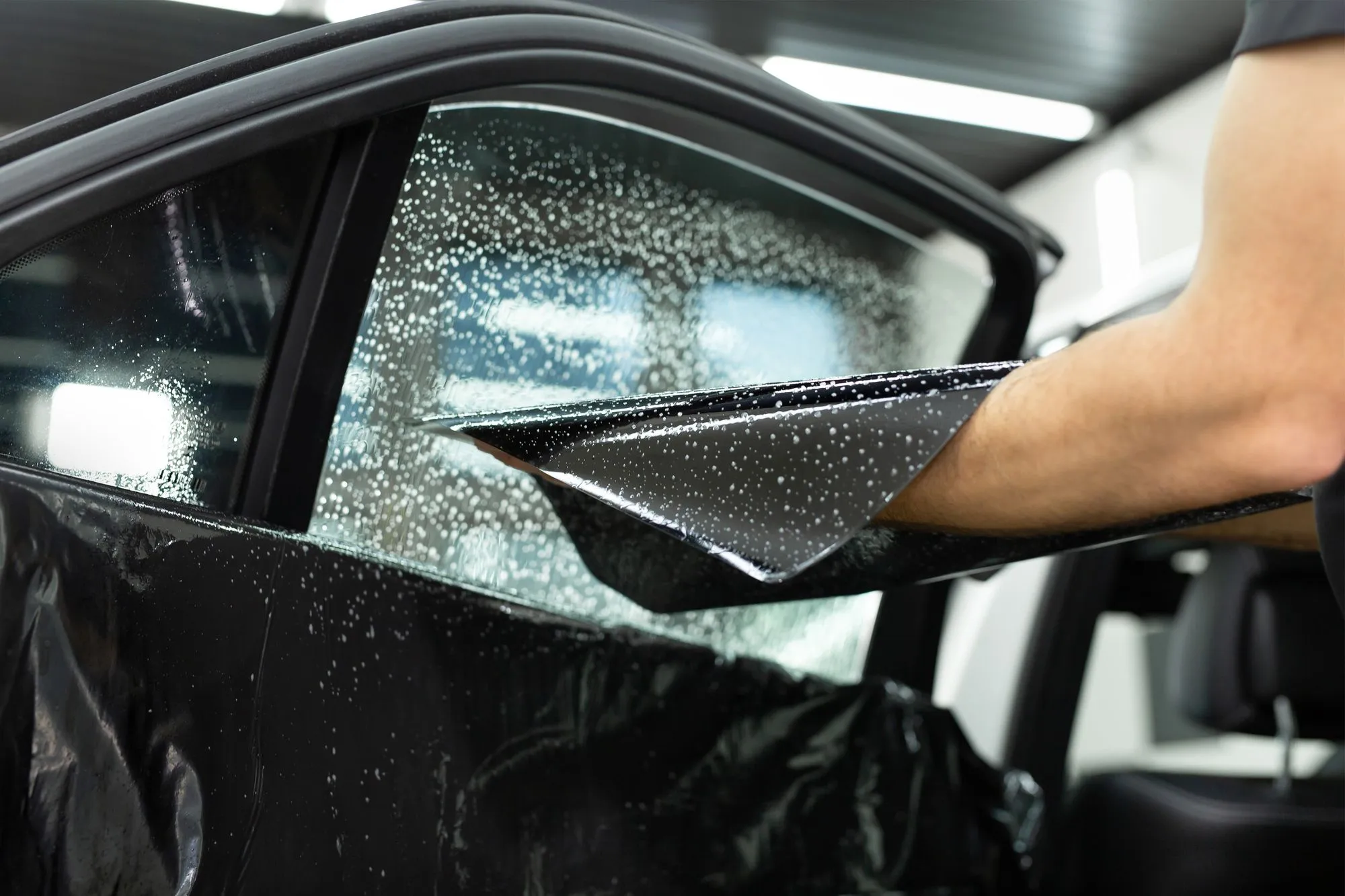
Window tint can also serve different environments.
Automotive tint is installed on cars, trucks, SUVs, and other road vehicles.
Wooddy’s installs XPEL PRIME through our Window Tint service.
Boats with suitable glass can also use Marine Window Tint.
The goals can overlap:
Boat glass may have different shapes, construction, access, and exposure than automotive glass.
That is another reason marine work should not be approached as though the boat were simply a car without wheels.
Cars are usually easy to work around from the ground.
Boats can create more difficult access.
A boat may be:
Trailer fenders and supports may block portions of the hull.
Dock position can limit access to one side.
Height may affect how the upper sections are reached.
This changes both cleaning and polishing.
When scheduling marine work, send photos showing the full vessel and how it is stored.
That gives the shop a clearer picture of what can be reached.
Marine detailing also has environmental considerations that are different from cleaning a car at a controlled shop.
The U.S. Environmental Protection Agency identifies boat cleaning as one possible source of marina and boating pollution.
Cleaning products, paint residue, solvents, debris, and other materials should be kept out of waterways.
EPA guidance says that where practical, boats can be removed from the water for cleaning so debris can be collected and handled away from surface water.
This makes location part of Marine Detailing vs Auto Detailing.
A car cleaned at a detailing facility and a boat cleaned next to open water may need different runoff controls.
Start with what you own and what condition it is in.
The right service should follow the surface condition.
A dirty boat may only need cleaning.
A chalky gelcoat may need polishing.
A clean boat owner who wants easier washing may want to discuss marine ceramic coating.
A high-contact marine surface may be a candidate for Marine Protection Film.
Marine Detailing vs Auto Detailing shares the same basic goal: clean the surface correctly and protect it based on how it is used.
The process changes because cars and boats live in different environments.
Automotive detailing deals heavily with:
Marine detailing deals more heavily with:
The materials also change.
Automotive clear coat and marine gelcoat should not automatically receive the same polishing process.
Automotive ceramic coating and marine ceramic coating should not be treated as the same product simply because both use the word ceramic.
The same applies to protective film.
Wooddy’s Detailing works with automotive and marine vehicle protection for customers throughout Mechanicsville, VA & Richmond, VA.
Our shop has served customers since 2010 and provides XPEL products for several vehicle and marine surfaces.
Wooddy’s Detailing
8492 Meadowbridge Rd
Mechanicsville, VA 23116
Phone: (804) 914-9274
Hours:
Monday through Friday: 8:30 AM to 6:30 PM
Saturday: 9:00 AM to 5:00 PM
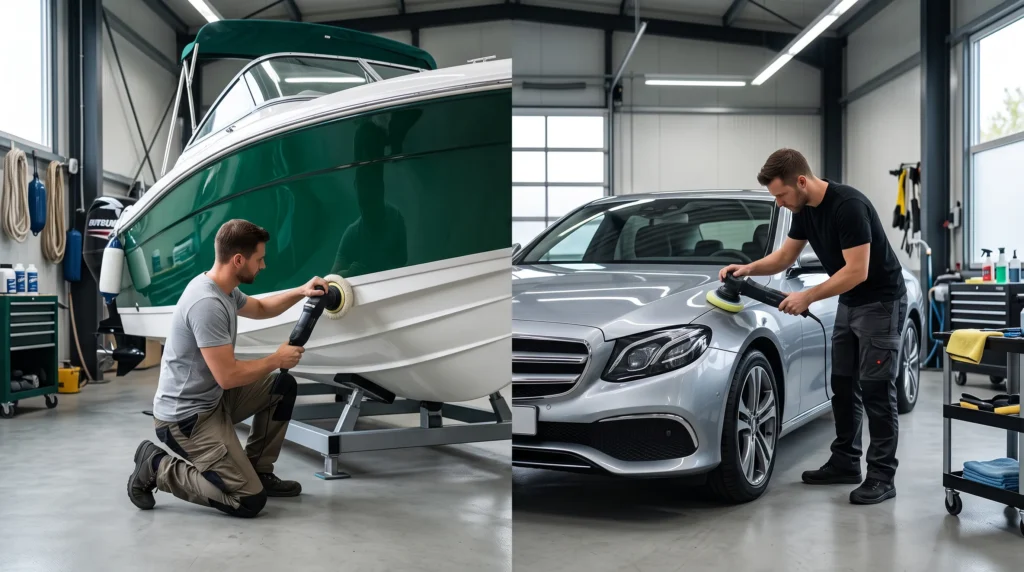
If you are deciding between marine detailing, marine protection, or automotive detailing services, call (804) 914-9274 or visit the Wooddy’s Detailing contact page to describe your vehicle or boat and schedule an appointment.
Marine detailing works with boat surfaces and conditions such as gelcoat, fiberglass, water exposure, oxidation, mineral deposits, marine vinyl, and dock-related grime. Auto detailing focuses more heavily on automotive paint, clear coat, road grime, brake dust, vehicle interiors, and highway contamination.
Do not assume an automotive polishing system belongs on every marine surface. Gelcoat and automotive clear coat differ, and the polishing method should match the surface and its condition.
Gelcoat can lose gloss after extended exposure to sunlight, water, weather, and oxidation. Cleaning may improve the appearance, while oxidized surfaces can need polishing or compounding.
Yes. Marine coatings are made for the conditions watercraft face. XPEL describes FUSION PLUS Marine as a coating formulated for marine environments and protection from water, grime, UV exposure, and environmental contamination.
Yes. XPEL makes Marine Protection Film for suitable boat surfaces. The company lists hulls, bows, gunnels, decks, engine cowlings, and other high-contact areas among possible applications.
A trailer, dock, lift, bunks, rollers, or storage location can block access to parts of the hull. Work performed near water also needs to account for runoff and debris entering the water.
Wooddy’s Detailing serves customers throughout Mechanicsville, VA & Richmond, VA from 8492 Meadowbridge Rd in Mechanicsville. Call (804) 914-9274 or visit our contact page to discuss your car, truck, SUV, or boat.
Contact Wooddy’s Detailing when you are ready to protect, improve, or restyle your vehicle with help from a trusted local shop. We proudly serve customers in Mechanicsville, VA and Richmond, VA with services that include paint protection film, color PPF, ceramic coating, window tint, vinyl wrap, paint correction, chrome delete, and auto detailing. Whether you have a daily driver, luxury vehicle, Tesla, Cybertruck, fleet vehicle, or boat, our team is here to help you choose the right service for your goals. Customers often contact us when they want better protection, easier upkeep, more privacy, or a cleaner finished look. We make it easy to reach out, ask questions, and move forward with the service that fits your needs. Since 2010, Wooddy’s Detailing has focused on giving local customers a clear process and dependable service. When you are ready to get started, our team is ready to help.
Explore the many services we offer by clicking the boxes below