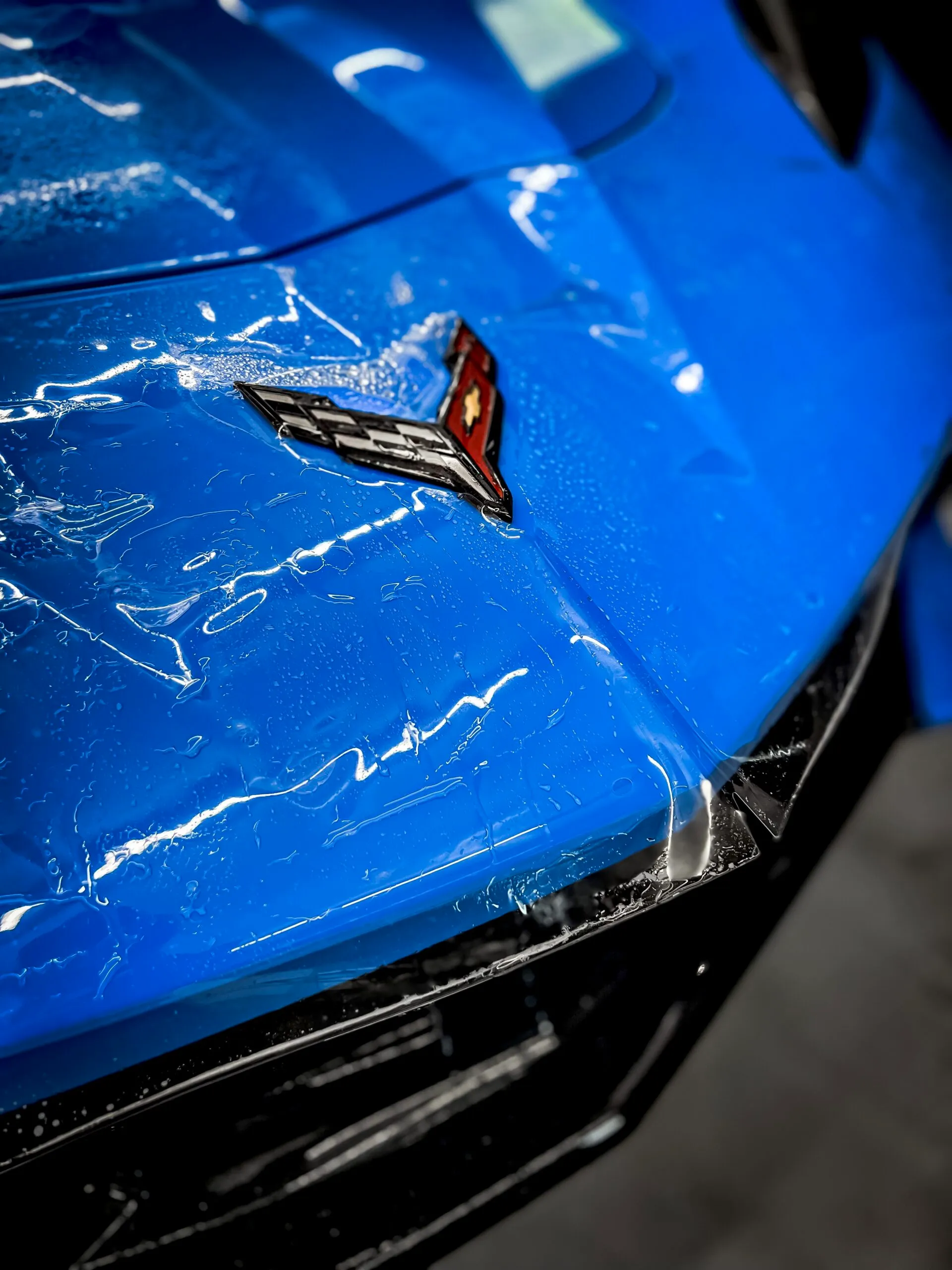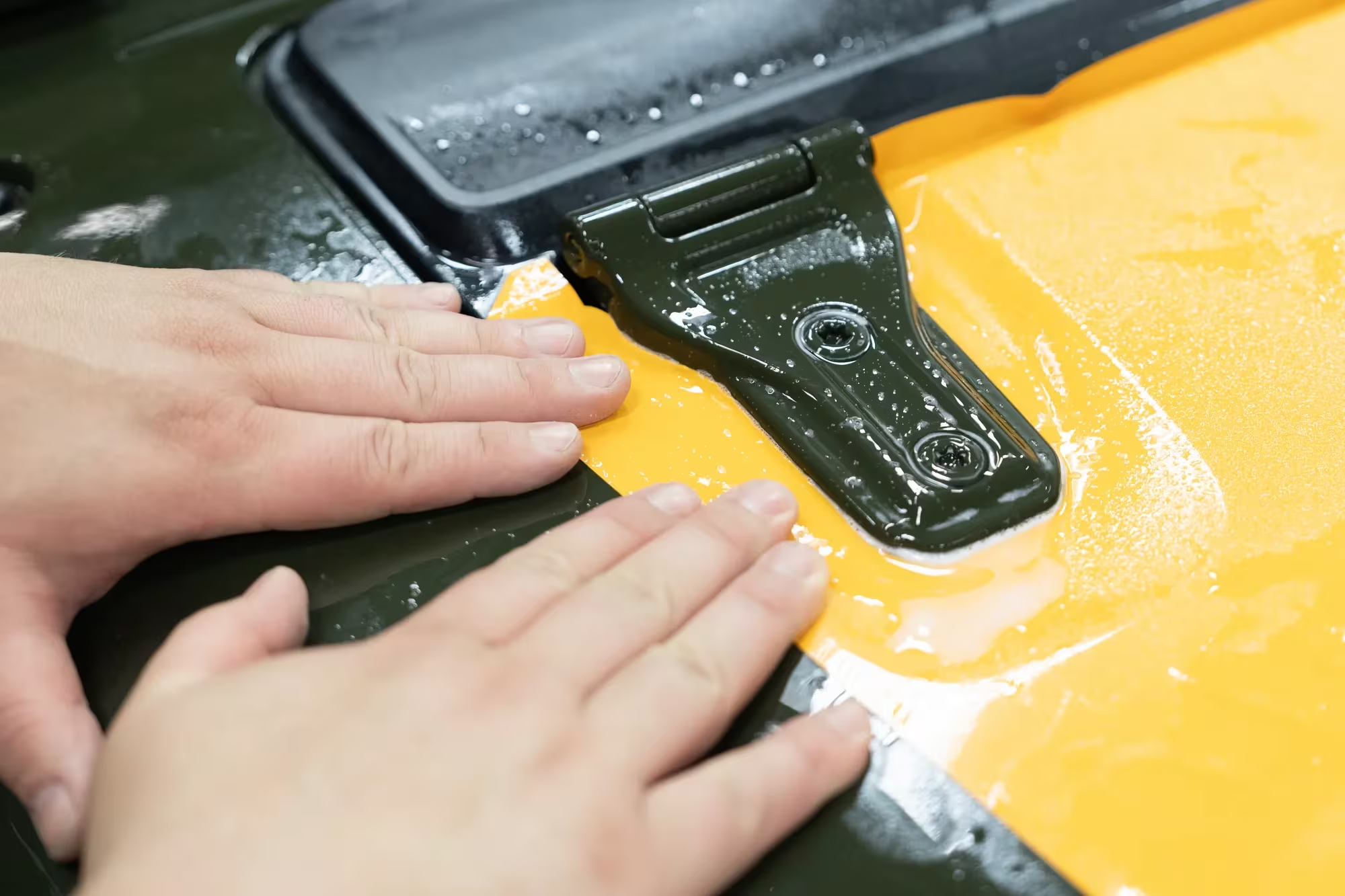

Paint Protection Film in Ashland and Glen Allen, VA gives drivers a clear protective layer over factory paint in areas that face rock chips, road debris, bugs, scratches, and daily wear. Whether you commute into Richmond, spend time on I-95, drive through Hanover County, or simply want to keep a newer vehicle looking cleaner, PPF can place a replaceable polyurethane film between road hazards and the paint underneath.
Wooddy’s Detailing installs XPEL Paint Protection Film for drivers from Ashland, VA, Glen Allen, VA, and throughout Mechanicsville, VA & Richmond, VA. Our shop is located at 8492 Meadowbridge Rd in Mechanicsville. We are XPEL certified, an XPEL vendor, and have served local vehicle owners since 2010.
Wooddy’s current service-area information includes both Ashland, VA and Glen Allen, VA, making our Mechanicsville location an option for drivers from both communities who want XPEL PPF, ceramic coating, window tint, paint correction, or related vehicle protection services.
Paint Protection Film can be installed on selected high-impact panels or across most suitable painted exterior surfaces.
The right amount of coverage depends on how you use the vehicle, where you see the most road wear, and how much factory paint you want covered.
Here is what drivers should know before scheduling Paint Protection Film in Ashland and Glen Allen, VA.
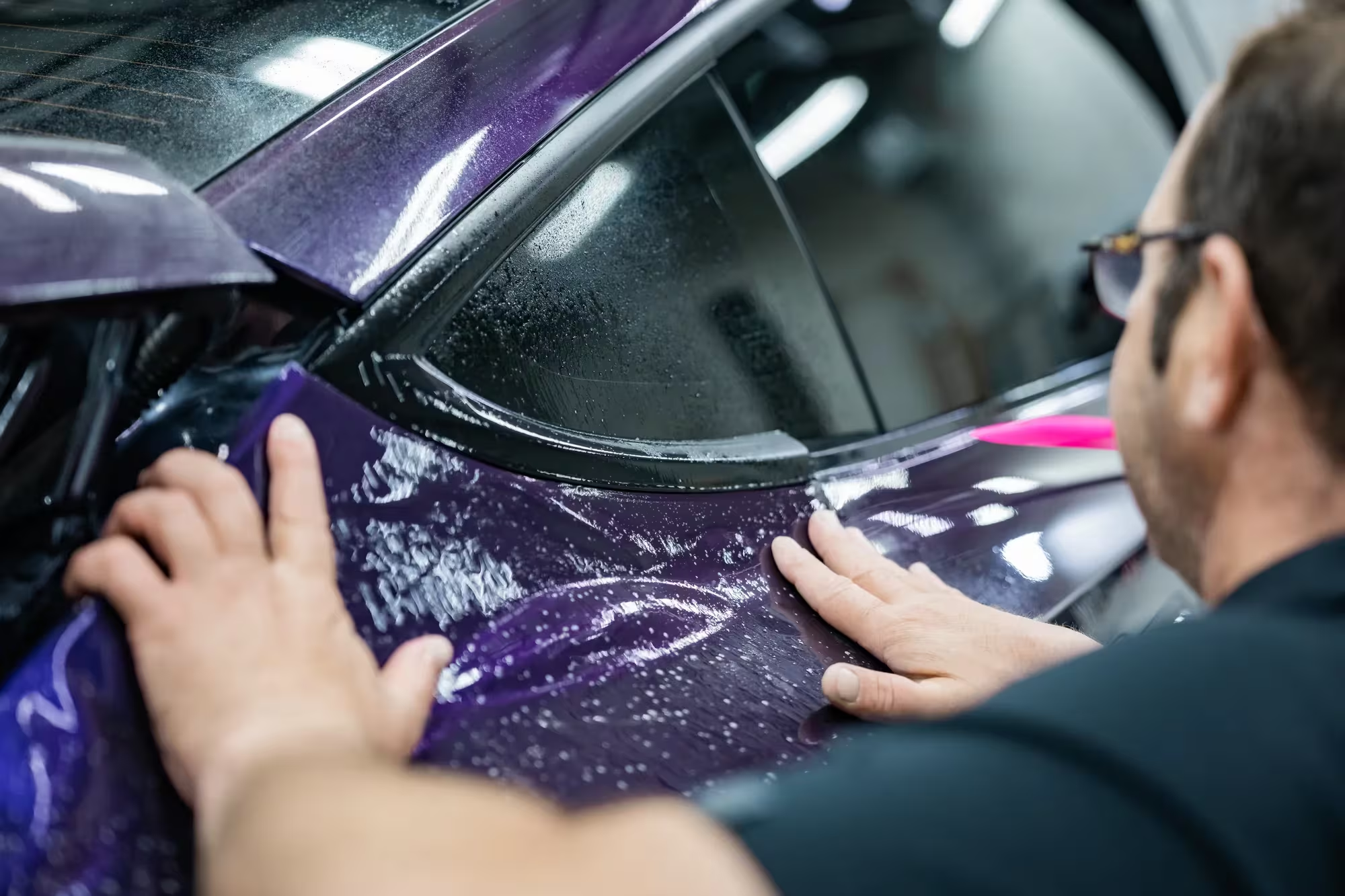
Paint Protection Film, often shortened to PPF, is a transparent polyurethane film installed over compatible exterior surfaces.
XPEL describes ULTIMATE PLUS as an 8-mil Paint Protection Film made to help protect against:
The film sits over the paint rather than changing the original paint itself.
That makes PPF very different from wax or ceramic coating.
A ceramic coating creates a thin coated surface.
PPF creates a much thicker physical film barrier.
For drivers looking for Paint Protection Film in Ashland and Glen Allen, VA, that difference matters when rock strikes and road debris are the main concern.
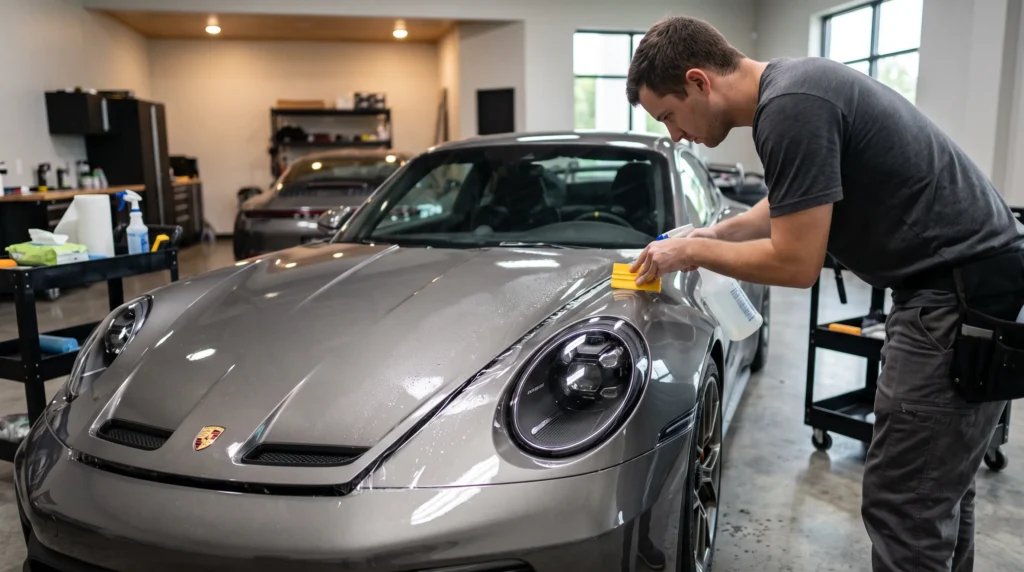
Learn more about Wooddy’s Detailing’s Paint Protection Film service.
Road wear tends to show first on areas facing forward or sitting close to the pavement.
Common trouble areas include:
A vehicle that spends a lot of time at highway speeds may see repeated contact from small stones, sand, bugs, and other debris.
One impact may be minor.
Thousands of miles of driving can add up.
Paint Protection Film in Ashland and Glen Allen, VA gives owners the choice to cover these areas before much of that road wear reaches the paint.
PPF is also removable when handled properly, allowing damaged film to be replaced without automatically repainting the panel underneath.
Wooddy’s Detailing installs XPEL PPF.
XPEL ULTIMATE PLUS is one of the company’s main clear Paint Protection Films.
XPEL currently states that ULTIMATE PLUS is 8 mil thick and made to help protect vehicle surfaces from scratches, rock chips, and environmental contamination.
The manufacturer also describes the film as nearly invisible once installed.
This lets owners keep the original vehicle color visible while adding a protective film layer.
XPEL makes ULTIMATE PLUS in more than one thickness and finish, but its standard ULTIMATE PLUS film is the version many drivers associate with clear PPF.
Drivers looking for a different appearance can also review Wooddy’s Color PPF service.
One feature that separates modern PPF from a simple clear sheet is self-healing behavior.
XPEL states that light scratches and swirl marks in ULTIMATE PLUS can self-heal.
According to XPEL’s current care instructions, light film scratches can heal in about 20 to 30 minutes at room temperature.
Warm water can speed the process in colder conditions.
Self-healing applies to minor surface marks in the film.
It does not mean the material can repair:
If a section of PPF takes a hard hit, replacing that section may make more sense.
There is no rule saying every vehicle needs complete PPF coverage.
The amount of film can be matched to where you want protection.
Common coverage areas include:
The more panels covered, the more factory paint sits underneath the protective film.
Drivers should compare coverage panel by panel rather than relying only on package names.
The front bumper is one of the most exposed painted sections on many vehicles.
It sits low and faces directly into traffic.
That makes it a common location for:
Bumper-only PPF may make sense when a driver wants to start with the area that often receives frequent direct impacts.
The downside is that the hood and fenders remain uncovered.
For drivers who spend a lot of time traveling between Ashland, VA, Glen Allen, VA, and Mechanicsville, VA & Richmond, VA, broader front-end coverage may be worth comparing.
Partial-front PPF extends coverage beyond the bumper.
A partial package can include:
The exact panel list can vary.
One thing to understand about partial coverage is that the film may stop across the hood or fenders.
That creates an edge where the PPF ends.
Depending on the paint color and viewing angle, that line can sometimes be visible.
Ask where the film will stop before approving the package.
Full-front PPF is one of the most common coverage choices for owners focused on highway wear.
A full-front package commonly covers:
The benefit over partial-front coverage is that the hood and fenders can be covered from edge to edge rather than ending partway across those panels.
That provides more physical protection across the front of the vehicle.
For many drivers looking for Paint Protection Film in Ashland and Glen Allen, VA, full-front coverage is a practical middle ground between covering a few panels and covering most of the vehicle.
Full-body PPF extends protective film across most suitable painted exterior panels.
Depending on the vehicle, that can include:
Full-body coverage is often considered for:
Exact coverage should still be listed before installation.
Vehicle construction can affect where film can be placed and how edges are handled.
Think about where damage usually appears on your vehicle.
A commuter that spends much of its time at highway speed may benefit from front-end protection.
A performance car with wide rear quarters may also collect debris near the rear wheel openings.
A pickup may see wear around rocker panels or loading areas.
A vehicle owner who wants broad exterior coverage may prefer full-body PPF.
Here is one simple way to compare:
| Coverage | Main Areas Protected | Often Chosen By |
|---|---|---|
| Bumper | Front bumper | Drivers wanting limited front-impact coverage |
| Partial Front | Bumper, mirrors, partial hood and fenders | Owners wanting more coverage with fewer panels fully wrapped |
| Full Front | Bumper, full hood, full fenders, mirrors | Highway commuters and new-car owners |
| Full Body | Most suitable painted exterior panels | Owners wanting broad paint coverage |
The vehicle and driving habits should decide the package.
Clear film makes surface preparation easy to notice.
The vehicle should be cleaned before PPF goes on.
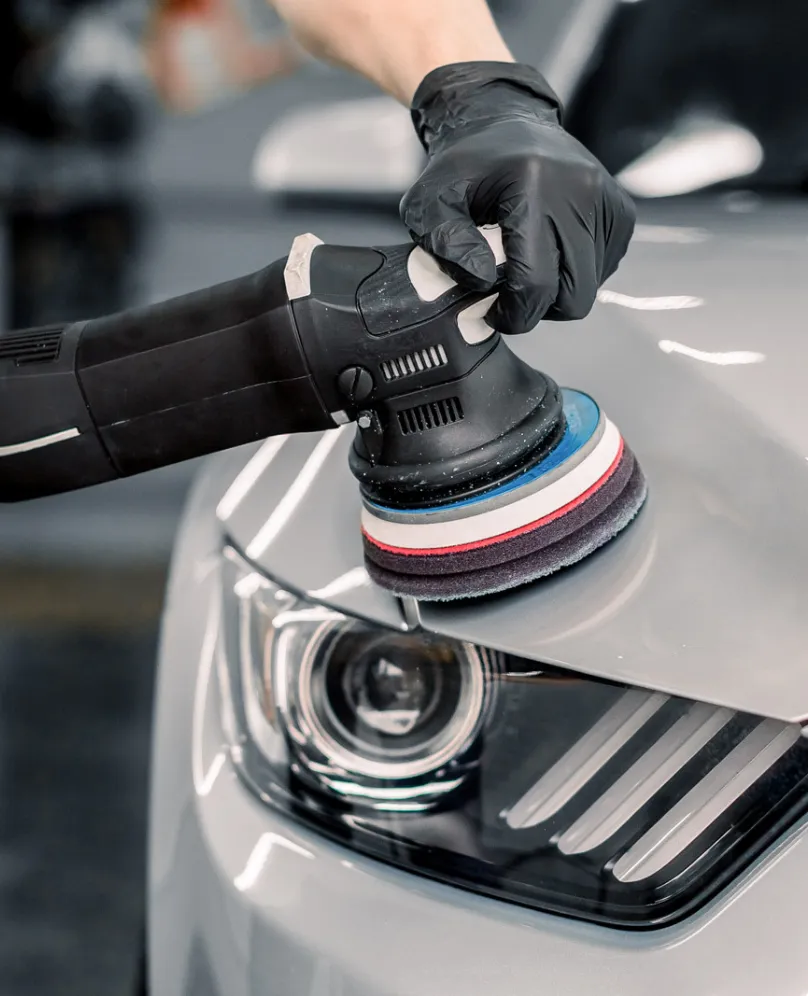
Surface prep may involve:
Wooddy’s current PPF information says its team prepares the surface so film can sit cleanly and smoothly.
That preparation matters because dirt underneath transparent film can remain visible.
The same is true for existing paint defects.
PPF protects what is underneath it, so the condition of that surface should be understood first.
Not every new car does.
New vehicles can still arrive with:
The paint should be inspected before film installation.
If the finish already looks the way you want, major correction may not be needed.
If swirl marks are visible and you want them improved, Paint Correction can be discussed before PPF.
The goal is not to polish a new vehicle simply because it is new.
The goal is to address defects that would otherwise remain visible beneath the film.
PPF can be installed over compatible paint with existing marks, but that does not mean the film removes those marks.
A light scratch may look less noticeable in some situations after film installation.
A deeper scratch can remain visible.
PPF is protection, not paint repair.
If a scratch needs to be corrected, it should be evaluated before the film goes on.
Very deep damage may need touch-up or body repair rather than polishing.
When discussing Paint Protection Film in Ashland and Glen Allen, VA, show the installer any scratches you are concerned about before approving coverage.
Warranty is another reason to know the exact PPF being installed.
XPEL currently lists a 10-year limited product warranty for qualifying professionally installed ULTIMATE PLUS and STEALTH Paint Protection Film.
XPEL states that covered manufacturing defects can include:
The warranty applies to the film under XPEL’s written conditions.
It does not mean every type of external damage is covered.
A rock strike that physically cuts the film is different from a manufacturing defect.
Before installation, ask what paperwork you will receive and how the film warranty is handled.
PPF does not require complicated care, but a few habits can help.
XPEL’s current product-care guidance says:
XPEL also says maintenance needs vary with mileage, storage, driving style, climate, and road conditions.
A garage-kept weekend vehicle and a daily commuter may need different care schedules.
Paint Protection Film and ceramic coating are often discussed together, but they are not interchangeable.
PPF provides a polyurethane film layer aimed at physical hazards such as:
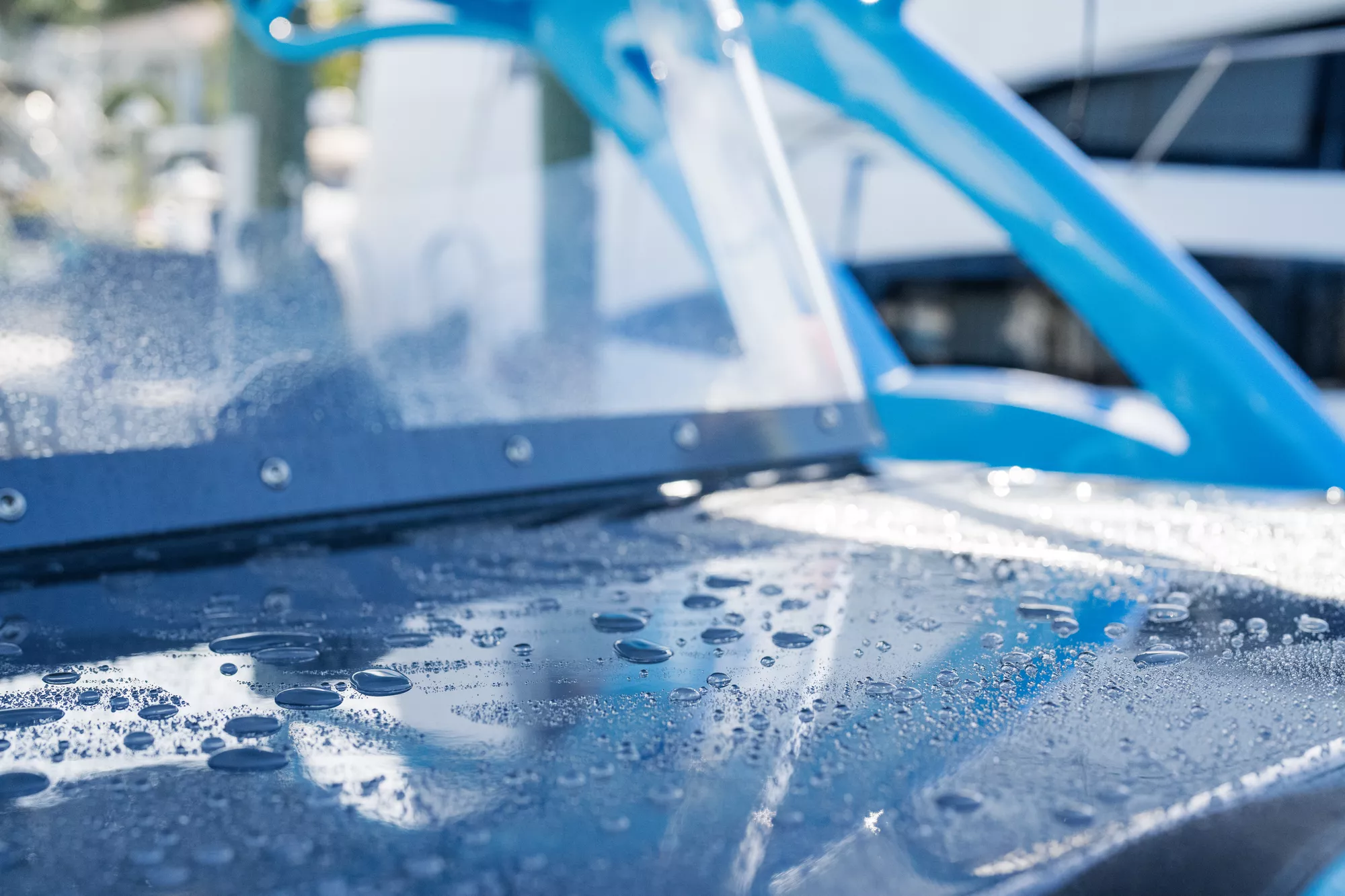
Ceramic Coating creates a much thinner coated surface.
Owners generally choose ceramic coating for:
If rock chips are your main concern, PPF is the more relevant product to discuss.
If easier cleaning and water behavior are the main goals, ceramic coating may make more sense.
Yes.
PPF and ceramic coating can be part of the same vehicle-protection plan.
One approach is to install PPF on high-impact panels and ceramic coating on compatible surfaces.
Wooddy’s Detailing installs both XPEL PPF and XPEL FUSION ceramic coatings.
XPEL also offers ULTIMATE FUSION, a PPF product with a hydrophobic topcoat built into the film.
Ask which setup makes sense for your vehicle rather than assuming every surface needs the same product.
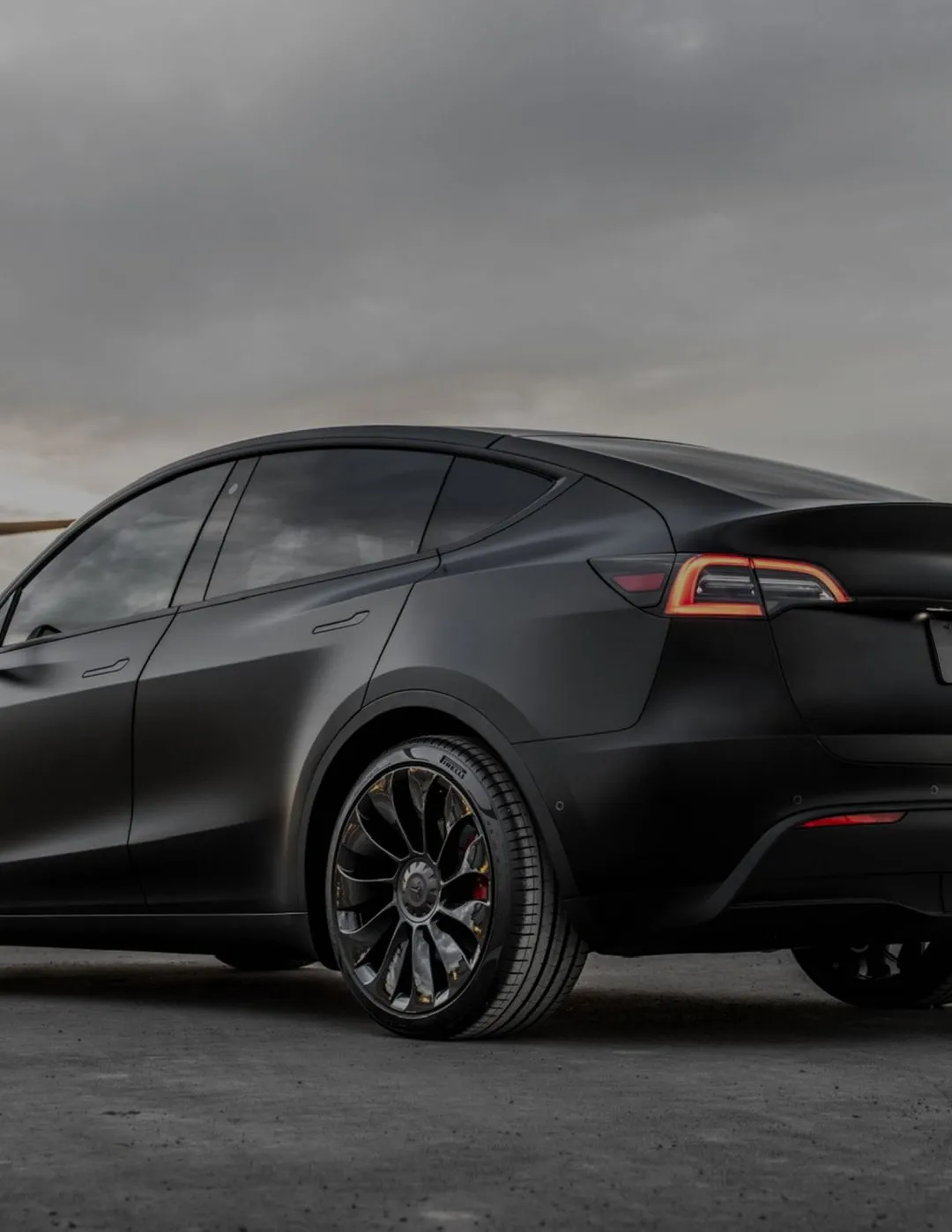
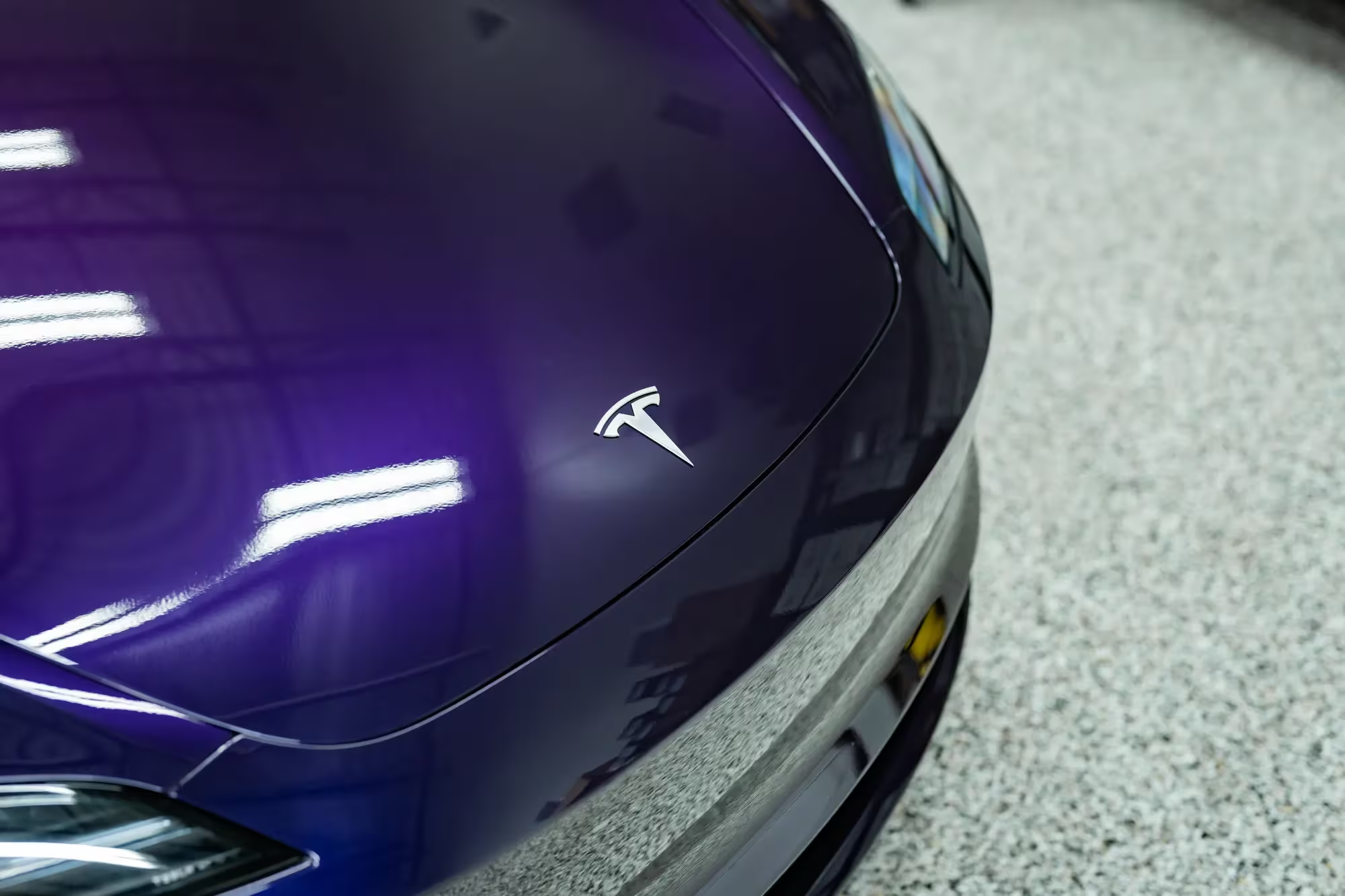
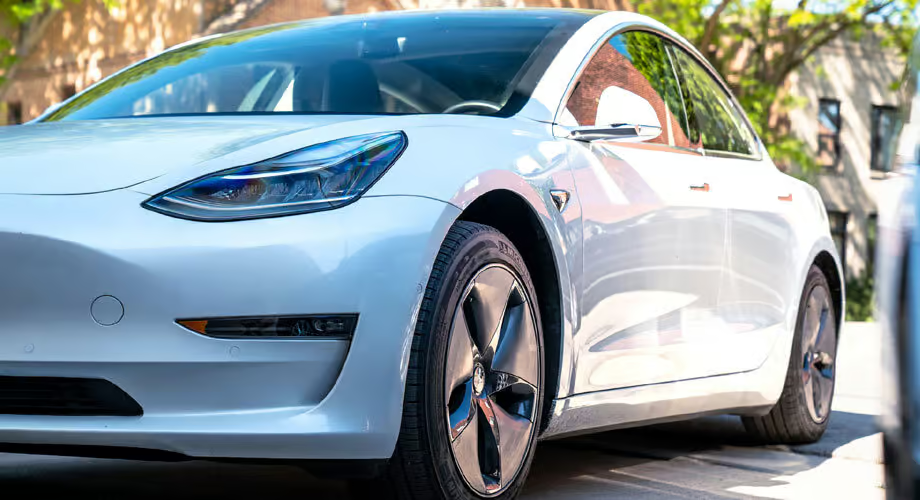
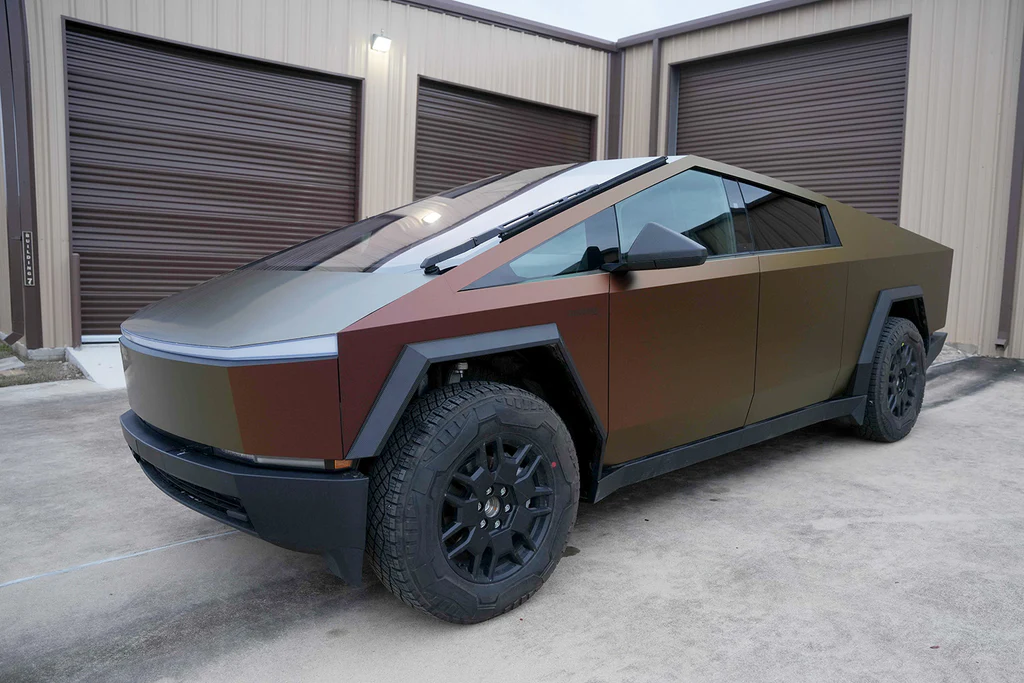
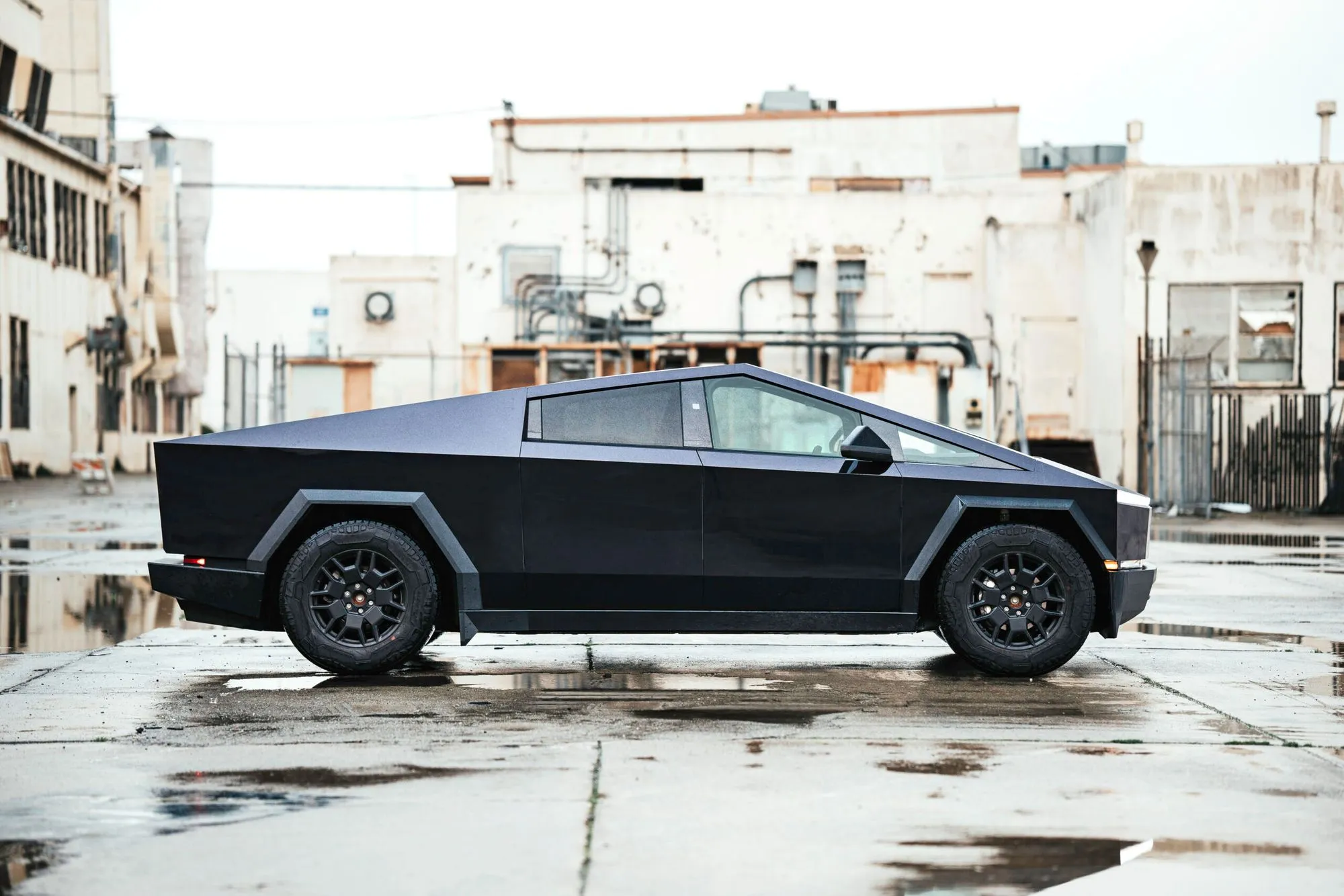
Tesla owners often consider PPF early in ownership because of the large painted front surfaces and amount of daily driving many of these vehicles see.
Wooddy’s Detailing provides a dedicated Tesla Paint Protection Film service.
Coverage can be discussed for Tesla vehicles including:
Tesla owners may also compare:
The same approach applies to other new vehicles.
Inspect the paint, decide which panels need protection, and choose coverage before road wear builds up.
Paint Protection Film in Ashland and Glen Allen, VA gives local drivers several ways to protect their vehicles.
You can start with the bumper.
You can protect part of the front end.
You can cover the full hood, front fenders, mirrors, and bumper.
Or you can extend PPF across most suitable painted exterior panels.
The right choice depends on your driving habits and how much paint you want covered.
Wooddy’s Detailing serves customers from Ashland, VA and Glen Allen, VA along with drivers throughout Mechanicsville, VA & Richmond, VA.
Our current website lists both Ashland and Glen Allen among our service areas.
Wooddy’s Detailing is XPEL certified, an XPEL vendor, and has served local customers since 2010.
Related services include:
Wooddy’s Detailing
8492 Meadowbridge Rd
Mechanicsville, VA 23116
Phone: (804) 914-9274
Hours:
Monday through Friday: 8:30 AM to 6:30 PM
Saturday: 9:00 AM to 5:00 PM
If you are looking for Paint Protection Film in Ashland and Glen Allen, VA, call (804) 914-9274 or visit the Wooddy’s Detailing contact page to discuss your vehicle, coverage choices, and appointment availability.
XPEL PPF is made to help protect compatible vehicle surfaces from rock chips, scratches, road debris, and environmental contamination. It creates a polyurethane barrier over the paint.
XPEL currently states that standard ULTIMATE PLUS is 8 mil thick. The company also produces other PPF products and thicknesses for different uses.
XPEL says light scratches and swirl marks in ULTIMATE PLUS can self-heal. Its care instructions state that light marks can heal in roughly 20 to 30 minutes at room temperature. Deep cuts or punctures do not fall into the same category.
Full-front PPF covers more painted surface. It generally protects the entire hood and front fenders rather than stopping partway across those panels. Partial coverage can still work for drivers who want more limited protection.
XPEL currently provides a 10-year limited product warranty for qualifying professionally installed ULTIMATE PLUS PPF. The written warranty lists manufacturing defects such as yellowing, cracking, blistering, and delaminating.
No. Ceramic coating and PPF have different jobs. PPF provides a thicker physical barrier for hazards such as rock chips and abrasion. Ceramic coating is much thinner and is used more for water behavior, gloss, and easier cleaning.
Wooddy’s Detailing serves customers from Ashland, VA and Glen Allen, VA along with drivers throughout Mechanicsville, VA & Richmond, VA. Our shop is located at 8492 Meadowbridge Rd in Mechanicsville. Call (804) 914-9274 or visit our contact page to schedule an appointment.
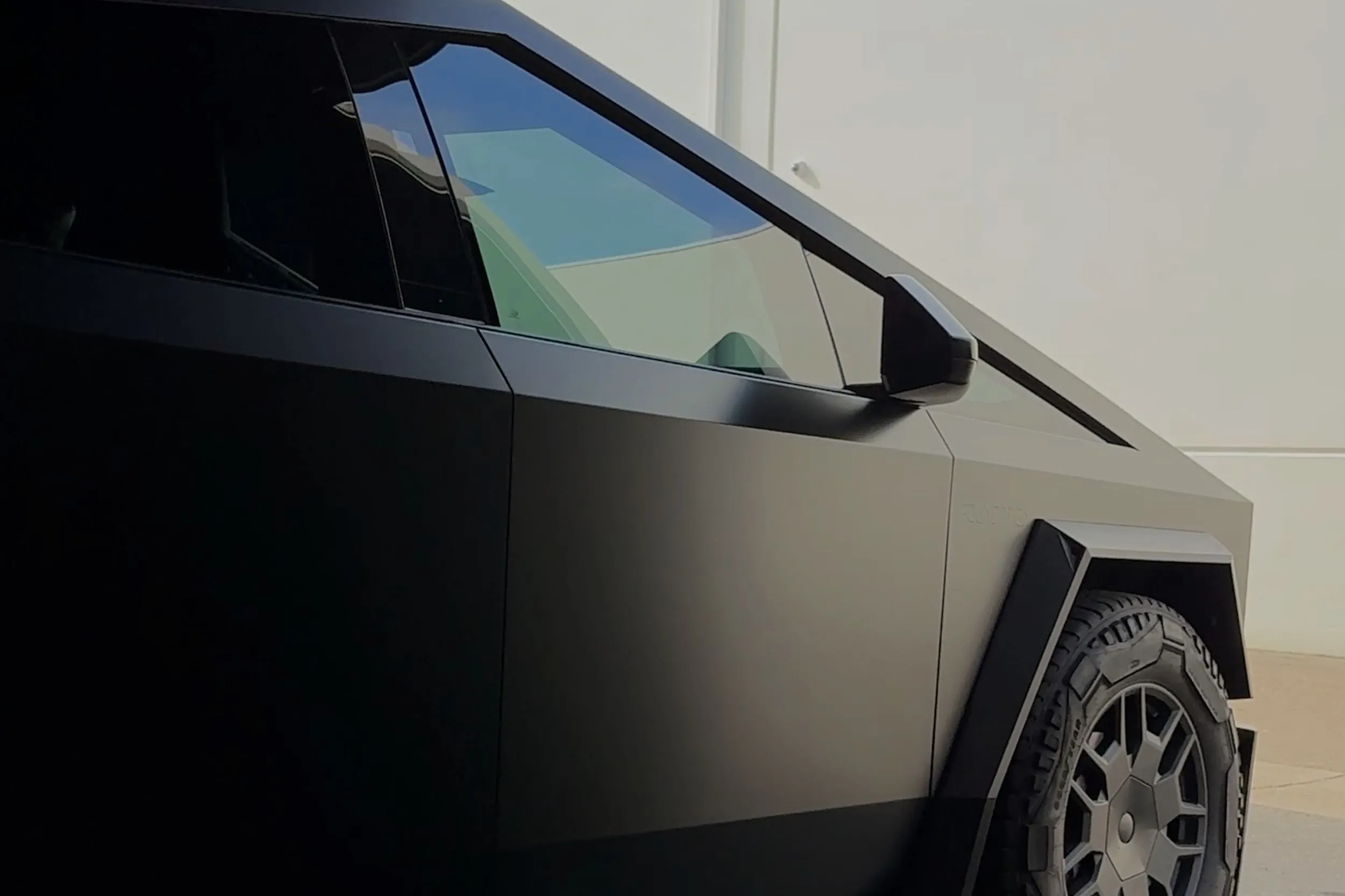
Contact Wooddy’s Detailing when you are ready to protect, improve, or restyle your vehicle with help from a trusted local shop. We proudly serve customers in Mechanicsville, VA and Richmond, VA with services that include paint protection film, color PPF, ceramic coating, window tint, vinyl wrap, paint correction, chrome delete, and auto detailing. Whether you have a daily driver, luxury vehicle, Tesla, Cybertruck, fleet vehicle, or boat, our team is here to help you choose the right service for your goals. Customers often contact us when they want better protection, easier upkeep, more privacy, or a cleaner finished look. We make it easy to reach out, ask questions, and move forward with the service that fits your needs. Since 2010, Wooddy’s Detailing has focused on giving local customers a clear process and dependable service. When you are ready to get started, our team is ready to help.
Explore the many services we offer by clicking the boxes below